

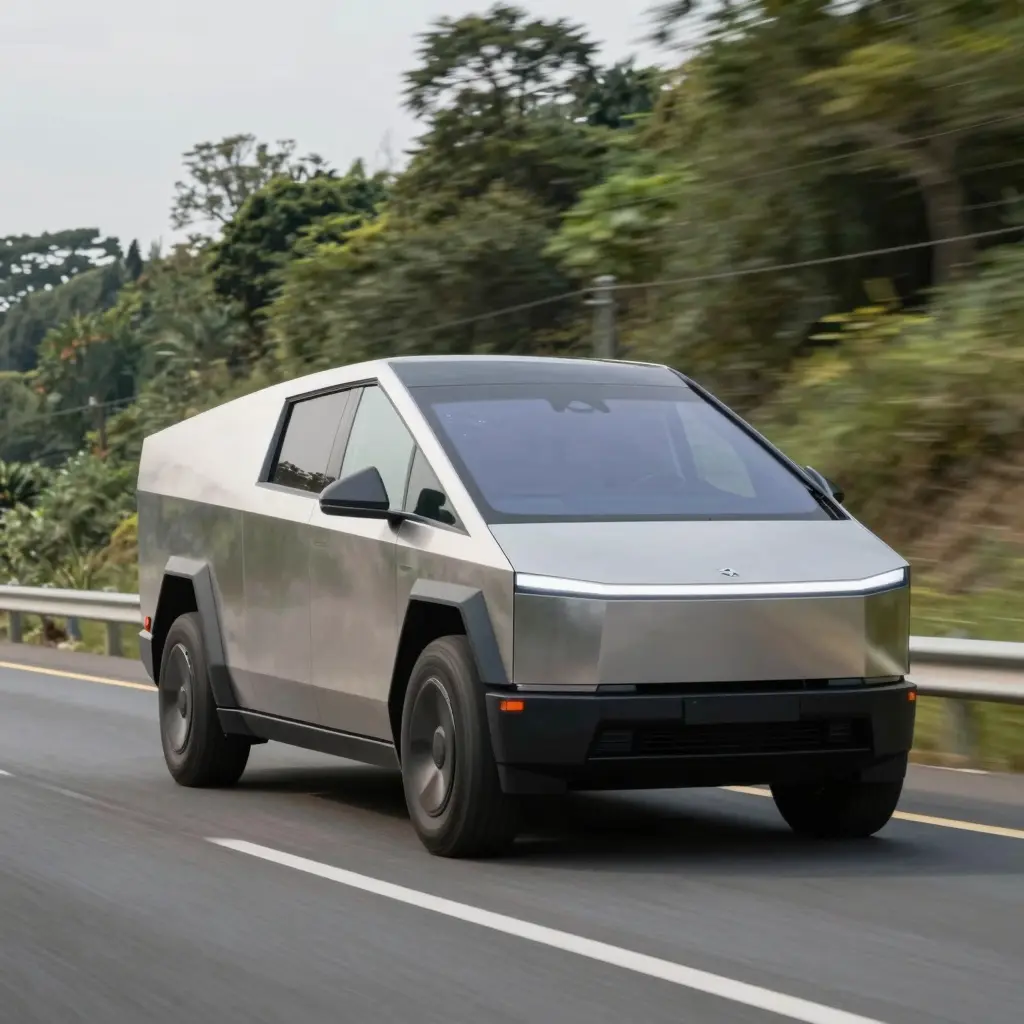
As the world moves towards sustainable transportation solutions, electric trucks are emerging as a key player in reducing carbon emissions and providing cleaner alternatives to fossil fuel-dependent vehicles. The growing interest in electric trucks stems from their efficiency, lower operating costs, and contributions to corporate sustainability goals. Businesses are increasingly recognizing the potential of transitioning their fleets to electric vehicles to not only boost their operational efficiency but also enhance their brand image in a climate-conscious marketplace. One of the most exciting developments in this space is the integration of hydrogen fuel cell technology as a range extender for electric trucks. This innovative approach allows electric trucks to extend their operational range, making them viable for long-haul transport, even in areas lacking robust charging infrastructure.
Hydrogen fuel cells provide an effective way to supplement the energy needs of electric trucks, offering increased range while further reducing emissions. By converting hydrogen into electricity, these fuel cells provide the power needed for longer journeys without the lengthy downtime associated with battery recharging. This seamless blend of electric power and hydrogen fuel cells is revolutionizing the logistics landscape, enabling businesses to meet customer demands without compromising their commitment to sustainability. In this article, we will explore how electric trucks equipped with hydrogen fuel cells as range extenders can transform the transportation industry and why business owners should consider investing in this forward-looking technology.
For more insights into how electric trucks are shaping sustainable logistics, you can learn more about the future of sustainable logistics. If you’re curious about specific truck models that incorporate these technologies, check out our overview of leading electric truck manufacturers.
Key Benefits of Hydrogen Fuel Cells in Electric Trucks
Hydrogen fuel cells are increasingly being seen as a viable solution for powering electric trucks. Here are the main advantages:
-
Environmental Benefits: Hydrogen fuel cells produce only water vapor as a byproduct, drastically reducing greenhouse gas emissions compared to traditional diesel engines. This makes them an eco-friendly option for commercial transport.
-
Extended Range: With a higher energy density than batteries, hydrogen can provide electric trucks with significantly longer driving ranges. This is particularly beneficial for long-haul transport needs where stopping for long charging times can be challenging.
-
Rapid Refueling: Hydrogen vehicles can be refueled in about 15 minutes, compared to several hours for battery electric vehicles. This quick turnaround time allows for improved operational efficiency and reduced downtime for logistics operators.
-
Sustainability Potential: Hydrogen can be produced from renewable sources such as wind or solar power, enhancing the sustainability of trucking operations. This aligns with global efforts to shift towards cleaner energy solutions.
-
High Payload Capacity: Hydrogen fuel cell trucks can often carry heavier loads compared to their battery counterparts, making them suitable for a variety of commercial applications.
For business owners interested in exploring hydrogen fuel cells as a sustainable option for their fleets, learn more about hydrogen fuel cells and sustainable trucking. Additionally, you can check why your business should consider electric trucks for more insights on transitioning to electric solutions.
Hydrogen Fuel Cell Electric Truck Models in 2023
As the demand for sustainable logistics solutions continues to rise, hydrogen fuel cell electric trucks have emerged as a promising alternative. Here’s a summary of three notable models available in 2023, highlighting their specifications and unique selling points:
1. Hyundai Xcient Fuel Cell
- Range: Up to 400 kilometers (approximately 248 miles)
- Payload Capacity: 18 tons
- Key Features: The Hyundai Xcient is designed for serious heavy-duty applications, focusing on efficiency and sustainability. Its hydrogen fuel cell system not only generates electricity but also offers superior operational capabilities, making it ideal for long hauls in urban environments.
- Unique Selling Point: Hyundais commitment to zero emissions while providing a reliable workhorse for logistics and transport operations.
- Learn more about Hyundai’s commitment to hydrogen vehicles.
2. Nikola Tre FCEV
- Range: Over 300 miles (approximately 483 kilometers)
- Key Features: This heavy-duty truck is engineered specifically for the North American market, offering advanced technology and zero-emission performance. The Nikola Tre utilizes hydrogen fuel cells to provide a substantial driving range and operational efficiency, making it attractive for freight carriers.
- Unique Selling Point: Emphasis on large-scale deployment with a focus on reducing carbon footprints in logistics sectors.
- Discover more about Nikola’s innovative approaches to hydrogen tech.
3. Toyota H2
- Overview: Toyota introduced its hydrogen fuel cell truck, focusing heavily on improving durability and efficiency.
- Key Features: This model incorporates an advanced fuel cell system that generates greater power while minimizing waste, making it suitable for a variety of logistical applications.
- Unique Selling Point: Toyota’s establishment as a leader in hydrogen technology builds consumer confidence, and their initiatives in hydrogen logistics can be a game-changer for sustainability in the transportation industry.
Conclusion
These models represent significant advancements in hydrogen fuel cell technology, offering businesses viable options to transition to eco-friendlier logistics. As the market for electric trucks evolves, companies like Hyundai, Nikola, and Toyota are at the forefront, setting the stage for sustainable trucking solutions that meet modern transportation needs. For more insights into the future of electric trucks, check out our article on electric trucks as a sustainable logistics solution.
The Technology Behind Hydrogen Fuel Cells
As we advance into an era dominated by transport innovation, hydrogen fuel cell technology is carving out its niche, especially in the realm of electric trucks. This technology not only complements existing electric truck systems but also serves as a robust range extender, addressing one of the significant challenges faced by businesses relying on electric logistics solutions.
How Hydrogen Fuel Cells Work
Hydrogen fuel cells operate on a fundamental principle of electrochemistry. At its core, the fuel cell combines hydrogen and oxygen in a chemical reaction that produces electricity, water, and heat. The process occurs within a unit called the fuel cell stack, which consists of multiple cells stacked together.
- Hydrogen Supply: Hydrogen gas is stored in high-pressure tanks on the truck.
- Electrochemical Reaction: When hydrogen is fed into the anode side of the fuel cell, it splits into protons and electrons. The protons pass through a membrane to the cathode, while electrons create an electric current.
- Oxygen Response: Simultaneously, oxygen from the air is introduced to the cathode. The protons, electrons, and oxygen then combine to produce water vapor and heat.
- Electric Power: The electricity generated can be used to power electric motors, thus propelling the truck.
This innovative process not only generates electricity but also does so with minimal environmental impact, especially when the hydrogen is produced from renewable resources.
Extending the Range of Electric Trucks
One of the primary advantages of hydrogen fuel cells in electric truck technology is their capacity to extend the operational range beyond what traditional battery systems can achieve. Here’s how hydrogen fuel cells play a crucial role:
-
Longer Distances: Hydrogen fuel cells provide a higher energy density compared to conventional lithium-ion batteries. This means that trucks can cover longer distances (often exceeding 300 miles) on a single refueling, significantly benefitting logistics and supply chain operations.
-
Rapid Refueling: Refueling hydrogen trucks takes approximately 15 minutes, akin to refilling a gas tank. This is a significant advantage over standard battery charging, which can take hours. Businesses can maintain operational efficiency without extended downtime.
-
Weight Advantages: Hydrogen fuel systems can be lighter than equivalent battery systems, which is especially beneficial for heavy-duty applications, allowing for higher payload capacities.
By integrating hydrogen fuel cell technology, businesses can utilize electric trucks for longer routes without the anxiety of inadequate range, thereby catering to a broader spectrum of logistical needs. As infrastructure continues to develop for hydrogen refueling, these trucks can become pivotal in achieving sustainable transportation solutions.
For further insights on the electric truck landscape and its future, learn more about electric trucks and how hydrogen fuel cells are shaping the industry today.
Comparison of Hydrogen Fuel Cell Truck Models
Here’s a detailed comparison of specifications, range, and pricing for some of the prominent hydrogen fuel cell truck models currently available:
| Model | Specifications | Range | Pricing |
|---|---|---|---|
| Hyundai XCIENT | 190 kW fuel cell, 350 Nm torque | Up to 400 km | Approx. $1.5M |
| Nikola TRE Fuel Cell | 500 kW fuel cell, 420 Nm torque | Up to 720 km | Approx. $1.8M |
| Toyota Hino | 240 kW fuel cell, 400 Nm torque | Up to 300 km | Approx. $1.3M |
Key Features
- Hyundai XCIENT: This truck has an approximate range of 400 km per refueling and is perfect for daily operations. Refueling time is typically around 20 minutes, making it conducive for businesses that need to ensure minimal downtime.
- Nikola TRE Fuel Cell: With an impressive range of up to 720 km, the Nikola TRE also comes with a higher price tag, reflecting its sophisticated technology and capabilities. Its refueling time is around 30 minutes.
- Toyota Hino: Featuring a robust construction and reliability, the Hino model ranges up to 300 km, making it suitable for short haul tasks.
For more insights and details about the future of electric trucks, consider checking out our article on the future of smart sustainable logistics.
Truck Model Pricing Comparison
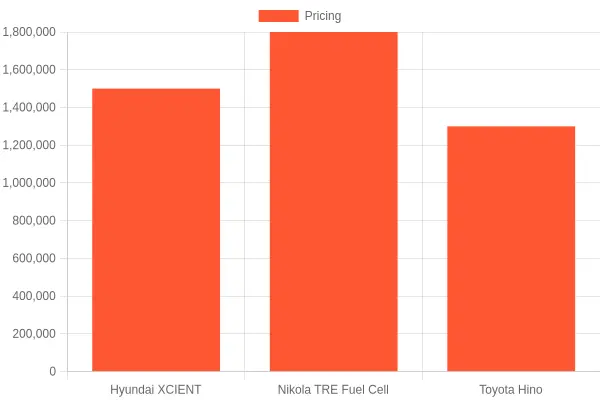
Another useful comparison is provided in the chart below:
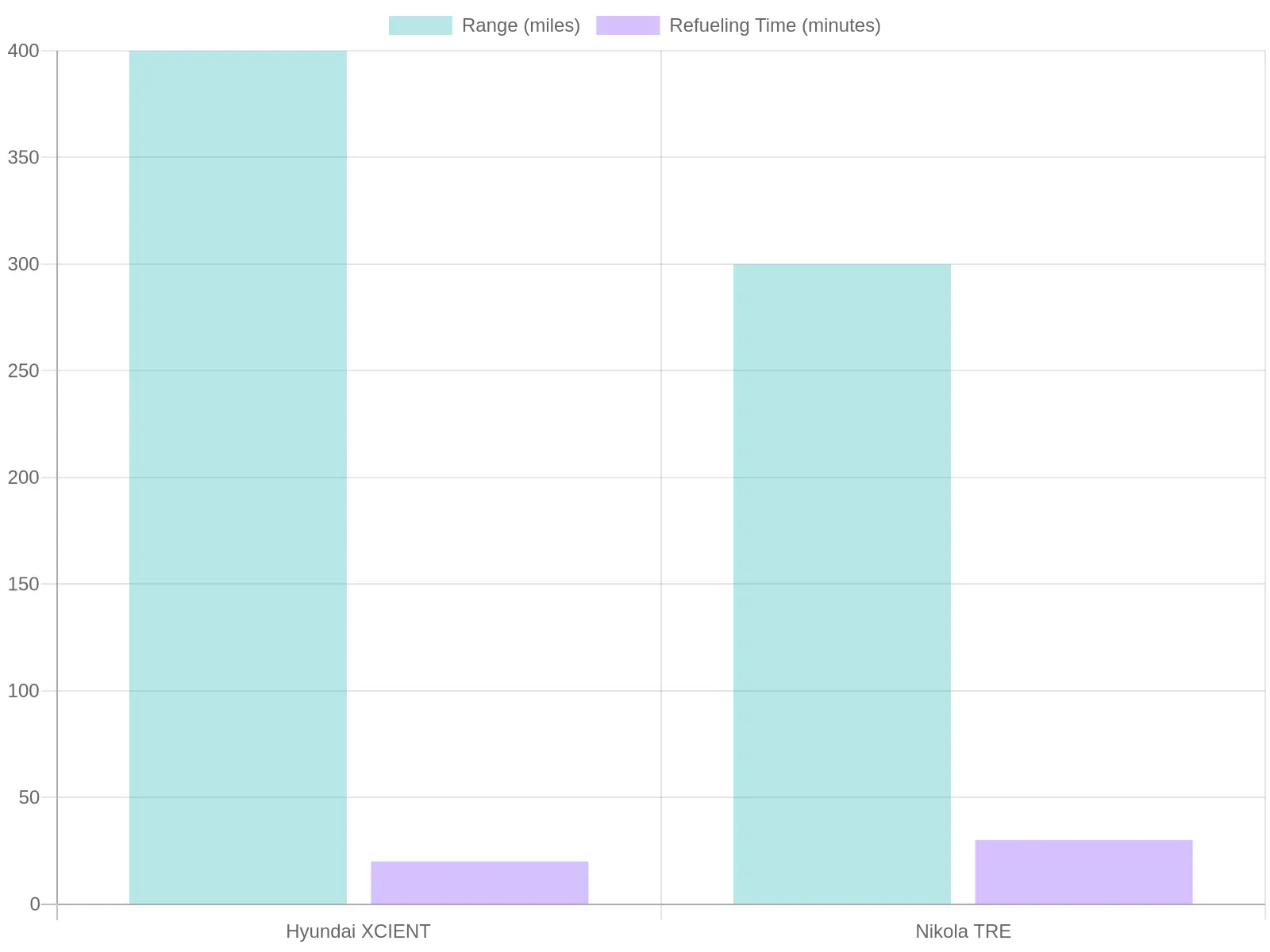
This additional visualization helps understand the relative performance metrics of the models discussed.
Considering the benefits of adopting hydrogen fuel cell technology, explore more about hydrogen fuel cells for sustainable trucking and how they can impact your business decisions.

This visual representation illustrates the evolution of electric trucks, highlighting the significant incorporation of hydrogen fuel cells over the years. Key models and advances from the early 2000s to 2023 are captured to showcase how the technology has progressed. For more insights on sustainable logistics in trucking, check out Electric Trucks: The Future of Smart, Sustainable and Cost-Effective Logistics and Hydrogen Fuel Cells in Sustainable Trucking.
Overview of Hydrogen Fuel Cell Trucks
Hydrogen fuel cell trucks are emerging as a promising solution for sustainable transportation within the commercial sector. These trucks use hydrogen as a fuel source, producing only water vapor as a byproduct, thus significantly reducing greenhouse gas emissions.
Testimonials and Observations
Business owners across various sectors are beginning to share their experiences and the positive impacts that hydrogen fuel cell technology has on their operations, including:
-
Fleet Efficiency: Many logistics companies notice improved operational efficiencies. For example, a logistics company cited that their hydrogen fuel cell trucks have a longer range compared to traditional electric batteries, allowing for extended delivery routes without needing multiple charging stops.
-
Cost Savings: One case study revealed that transitioning to hydrogen fuel cell trucks led to decreased fuel costs. Business owners reported that hydrogen fuel costs are competitive with diesel, especially considering the tax incentives associated with using hydrogen fuel.
-
Reduced Downtime: Testimonials emphasize decreased downtime for refueling. Refueling a hydrogen truck takes about the same amount of time as filling a traditional diesel tank, enabling businesses to optimize their schedules and improve delivery efficiency.
-
Sustainability Goals: Many companies transitioning to hydrogen fuel cell technology cited sustainability as a key motivation. Using hydrogen fuel cells helps businesses align with corporate social responsibility goals, attracting environmentally conscious partners and customers.
Adoption Examples
While specific business case studies are currently unavailable in the searched data, many hydrogen truck manufacturers are actively engaging clients in practical demonstrations and pilot programs. These efforts aim to showcase the benefits of hydrogen technology within logistics.
For more in-depth insights about electric trucks and their implications on sustainability and cost-effectiveness, you may learn more about electric trucks in logistics.
Conclusion
The transition to hydrogen fuel cell trucks is being positively viewed by many business owners who are experiencing operational efficiencies, cost reductions, and alignment with sustainability initiatives. Although specific testimonials are limited, the growing interest in hydrogen technologies indicates a strong potential for future business adaptations.
If you’re considering making a transition to hydrogen fuel cell vehicles in your operations, the industry is ripe with insights and potential benefits. Further studies and emerging case reports will undoubtedly shed more light on this pivotal shift toward greener transportation solutions.
As the transportation industry continues to evolve, hydrogen fuel cell range extenders present a revolutionary opportunity for electric trucks. They effectively address one of the biggest challenges facing electric vehicles today-limited range. By integrating hydrogen fuel cells, electric trucks can achieve significantly extended distances, thus facilitating long-haul transport without the anxiety of running out of battery power.
The benefits of adopting hydrogen fuel cell technology in electric trucks include:
-
Increased Range: Hydrogen fuel cells can provide additional power, making electric trucks capable of longer trips and enhancing overall efficiency.
-
Reduced Refueling Times: Refueling hydrogen is quicker than charging a battery, which minimizes downtime and enhances operational productivity.
-
Sustainable Energy Source: Hydrogen is a clean energy source, producing only water vapor when consumed, which aligns with the global push towards sustainable logistics and reduced CO2 emissions.
-
Enhanced Performance: The combination of electric and hydrogen fuel cell technology allows trucks to maintain high performance and load capacity, essential for commercial logistics.
By investing in electric truck technology paired with hydrogen fuel cell range extenders, businesses can significantly enhance their fleet’s efficiency and sustainability, leading to lower operational costs and a reduced carbon footprint.
At Summit Fairings, we understand the pivotal role of innovative technology in trucking. To further improve your electric truck performance, consider upgrading your fleet with our advanced fairings designed to enhance aerodynamics and fuel efficiency. Learn more about optimizing your electric truck and see how you can take your logistics operations to the next level.
In conclusion, the future of transportation lies in adopting greener technologies. Embrace the potential of hydrogen fuel cell range extenders and position your business at the forefront of the electric truck revolution. Let’s drive towards a sustainable future together.
The Potential of Hydrogen Fuel Cells in Electric Trucks
As the logistics sector increasingly focuses on sustainability, hydrogen fuel cells are gaining attention as a viable option for electric trucks. With the potential to extend the range significantly while producing zero emissions, these fuel cells could revolutionize transportation. An industry leader commented on this topic:
“Hydrogen fuel cells will play a pivotal role in decarbonizing the heavy-duty trucking sector.”
- [Industry Leader]
This perspective aligns with the ongoing trends and investments in this technology. Companies like Toyota, Hyundai, and Nikola are making substantial strides in developing hydrogen-powered vehicles, indicating a robust future for hydrogen in transportation.
For more insights on the future of electric trucks and sustainable logistics, you might want to learn more about the evolution of electric trucks or discover how these vehicles can make your business more sustainable by viewing this future-focused article.