

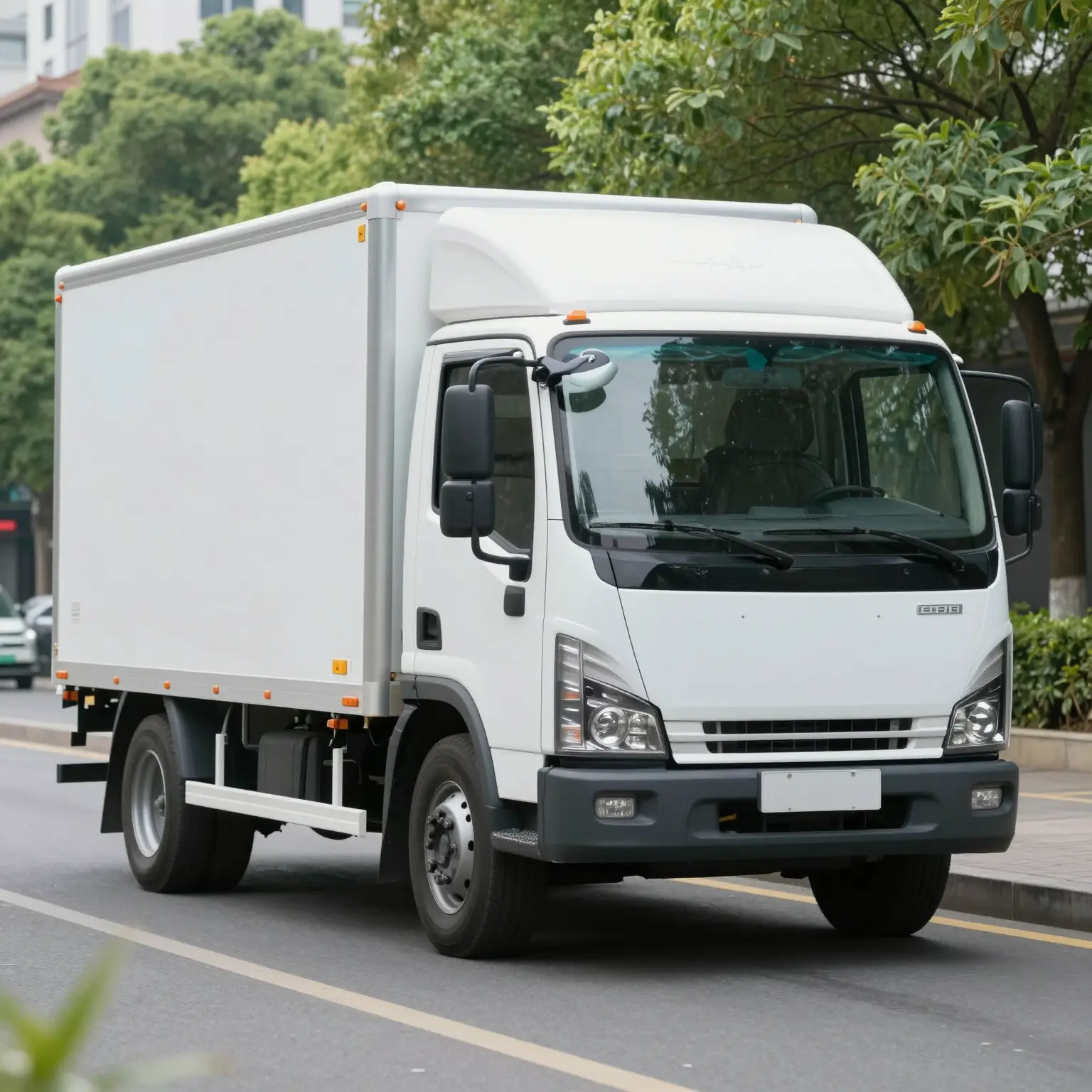
In recent years, the transportation industry has been undergoing a significant transformation, and at the forefront of this evolution is the commercial electric truck. As businesses strive to reduce their carbon footprint and operational costs, these vehicles are becoming an increasingly popular choice, offering sustainable and efficient alternatives to traditional diesel trucks. With advancements in battery technology and growing support from government initiatives, commercial electric trucks are not just a trend; they represent the future of logistics and fleet management. Their silent operation, lower maintenance needs, and zero emissions make them appealing to business owners looking to enhance their sustainability practices while also appealing to eco-conscious consumers. As more companies begin to embrace the potential of electric mobility, it’s imperative to understand the benefits and opportunities these electric trucks present in a rapidly evolving marketplace. Learn more about smart, sustainable logistics as we explore this groundbreaking shift in commercial transportation.
Benefits of Commercial Electric Trucks
The shift to electric trucks in the commercial sector is rapidly gaining momentum, and for good reason. Here are some key benefits that business owners should consider when evaluating electric trucks for their fleets:
-
Cost Savings:
Electric trucks generally have lower operating costs compared to traditional diesel trucks. The cost of electricity tends to be lower than diesel fuel, leading to significant fuel savings over time. Furthermore, electric trucks have lower maintenance expenses due to fewer moving parts and no need for oil changes. -
Environmental Impact:
Commercial electric trucks produce zero tailpipe emissions, contributing to cleaner urban air quality and a lower carbon footprint. This aligns with sustainability initiatives and can enhance a company’s reputation as a responsible business. Overall, the impact of electric trucks on greenhouse gas emissions is drastically lower than conventional trucks, especially if charged using renewable energy sources. -
Operational Efficiency:
Electric trucks often offer improved efficiency and performance, particularly in urban settings where they can take advantage of electric motors’ instant torque. This can lead to faster delivery times and a more reliable service. -
Regulatory Advantages:
As many governments worldwide tighten regulations on emissions, adopting electric trucks can position companies favorably. This includes avoiding potential fines and benefiting from incentives, grants, or tax rebates for using electric vehicles, providing additional financial benefits. -
Reduced Noise Pollution:
Electric trucks operate much quieter than diesel trucks, significantly reducing noise pollution in urban areas. This can make a noticeable difference for communities and improve working conditions for drivers, creating a more pleasant experience all around.
In summary, the transition to electric commercial trucking offers multiple benefits, from cost savings and environmental advantages to operational efficiencies and reduced noise. For more on the future of electric trucks and logistics, learn more about smart and sustainable logistics. Embracing this change not only makes sense economically but also contributes positively to societal environmental goals.
The commercial electric truck market is experiencing a profound transformation in 2023, driven by technological advancements, increasing environmental regulations, and heightened demand for sustainable logistics solutions. As global economies shift towards greener alternatives, electric trucks are gaining traction across various industries.
Market Growth and Statistics
In 2023, the U.S. electric truck market generated a remarkable USD 730.6 million in revenue, with projections indicating a robust compound annual growth rate (CAGR) of 54.3% from 2024 to 2030, potentially reaching approximately USD 15.14 billion by the decade’s end (PS Market Research). This growth is underpinned by the deployment of 10,265 electric trucks by U.S. companies in 2023, signifying a five-fold increase compared to prior years (Energy Exchange).
The trend isn’t just limited to the U.S.; Europe is also witnessing significant developments. For instance, during the initial three quarters of 2023, new electric truck registrations in the European Union surged by 321.7%, totaling nearly 3,918 units. Germany and the Netherlands have emerged as the largest markets in this region (IDTechEx).
Dominant Technologies and Models
Presently, over 90% of medium-duty and heavy-duty truck models available are fully battery electric, supplemented by a growing interest in hydrogen fuel cell technology, with 12 fuel cell heavy-duty truck models introduced in 2023 alone. This expanding diversity in electric vehicle (EV) offerings demonstrates the industry’s commitment to sustainability and innovation (IEA).
Conclusion
Overall, the commercial electric truck market in 2023 is not only reflecting a dramatic rise in adoption rates but also a shift towards more sustainable logistics practices. Business owners keen on optimizing their transportation fleets should consider these trends to stay competitive and environmentally responsible. For further insights on the future of electric trucks and their impact on logistics, check out this article on electric trucks.
The increasing market share of electric vehicles illustrates a clear trajectory towards sustainability in the transportation sector, indicating that adopting electric trucks is no longer just an option but a necessity for businesses aiming to thrive in the modern economy.
Comparison of Major Commercial Electric Truck Brands
When considering commercial electric trucks for your business, it’s crucial to understand the various features, price ranges, and specifications of different brands. Below is a comparison of three leading commercial electric truck manufacturers: Tesla, Rivian, and Volvo.
| Model Name | Price Range | Battery Life | Warranty |
|---|---|---|---|
| Tesla Semi | $180,000 – $200,000 | Up to 500 miles | 8 years |
| Rivian R1T | $67,500 – $75,000 | Up to 400 miles | 8 years |
| Volvo VNR Electric | $300,000 | Up to 275 miles | 8 years |
Key Differences in Features
- Tesla Semi: Offers the longest battery life and significant range, making it suitable for long-haul transportation.
- Rivian R1T: Positioned well for consumer adventures, featuring advanced technological capabilities and decent battery life.
- Volvo VNR Electric: Specifically designed for regional transportation; although its range is lower compared to rivals, it focuses on efficiency and urban delivery.
Additional Insights
- All models offer an 8-year warranty on their batteries, providing peace of mind regarding the durability and longevity of the electric systems.
- The Tesla Semi and Rivian R1T target different segments of the market: while Tesla focuses on freight, Rivian appeals more to personal use and adventure seekers.
For more detailed insights into the market, consider reading about the future of smart logistics or explore the market share of leading electric truck companies for 2026.
The Importance of Sustainability in Transportation
Sustainability in transportation has become a central focus for businesses looking to reduce their environmental impact and meet regulatory requirements. One significant advancement in this arena is the adoption of commercial electric trucks. These vehicles offer a promising solution for businesses aiming to achieve their sustainability goals and lower their carbon footprints.
Adopting Electric Trucks for a Greener Future
Commercial electric trucks have the potential to drastically reduce carbon emissions compared to their diesel counterparts. Studies indicate that electric trucks can lower greenhouse gas emissions by approximately 30-60% when powered by renewable energy sources. This stark contrast positions electric trucks as an essential component of modern logistics and transportation strategies.
Benefits of Electric Trucks in Sustainable Transportation
- Lower Emissions: Electric trucks produce no tailpipe emissions, which directly contributes to cleaner air and a reduced carbon footprint.
- Cost Savings: Although the initial investment in electric trucks can be high, lower fuel and maintenance costs can offset the expenses over time.
- Increased Efficiency: Electric vehicles typically have fewer moving parts than traditional trucks, leading to less wear and tear and lower repair costs.
Additionally, as climate change initiatives gain traction globally, businesses adopting electric trucks are not only complying with regulations but also responding to consumer demand for greener alternatives. By integrating electric trucks into their fleets, companies can showcase their commitment to sustainability, enhancing their brand reputation and attracting eco-conscious customers.
For more insights on the impact of electric trucks on logistics, learn more about the future of smart, sustainable, and cost-effective logistics.
Conclusion
Integrating commercial electric trucks into transportation practices is not merely a trend; it is a strategic move toward a sustainable future. As more businesses recognize the importance of reducing their carbon footprints, the shift towards electric trucks will likely accelerate, paving the way for greener logistics solutions worldwide.
Word Count: 353
“The shift towards electric trucking is not just an adaptation; it’s a transformation that will redefine logistics and supply chain efficiency, allowing businesses to operate more sustainably while significantly reducing operational costs.”
This blockquote summarizes the current perspective on how commercial electric trucks will influence the industry.
In the context of electric trucks, businesses are increasingly recognizing the following benefits:
- Cost Reduction: Electric trucks can significantly lower fuel and maintenance costs, enhancing operational efficiency.
- Sustainability: Companies adopting electric trucks align with sustainability goals, which enhances brand image and meets regulatory demands.
- Innovative Technologies: The integration of autonomous driving and telematics can optimize logistics operations.
For additional information on electric trucks and their transformative power in the industry, feel free to read about electric trucks the future of smart, sustainable, and cost-effective logistics.

Challenges Faced by Businesses Adopting Electric Trucks
As businesses increasingly recognize the benefits of transitioning to commercial electric trucks, they also encounter a variety of challenges that can impede the process. Understanding these obstacles is essential for making informed decisions about integrating electric vehicles into their fleets.
Key Challenges
-
Upfront Costs: One of the most significant barriers to adopting commercial electric trucks is the initial investment. Electric trucks typically come with a higher price tag compared to their diesel counterparts. For instances, heavy-duty electric vehicles may cost around $400,000, whereas diesel variants can be priced around $180,000. This substantial price difference presents a hurdle for many companies trying to balance their budgets while considering upgrades.
-
Infrastructure Requirements: The transition to electric trucks necessitates adequate charging infrastructure to ensure operational efficiency. Companies must invest in installing charging stations at their facilities or identify accessible public charging points. This investment often requires careful strategic planning to avoid disruptions in daily operations. Inadequate infrastructure can lead to operational delays, affecting service delivery.
-
Charging Time: Unlike refueling a diesel truck, which can take just a few minutes, charging an electric truck can take from 30 minutes to several hours, depending on the charging station’s power and the truck’s battery capacity. This difference can lead to logistical challenges in scheduling and routing deliveries, particularly for businesses that rely on tight timelines.
-
Range Anxiety: Range anxiety, or the worry that an electric vehicle might not have enough battery to complete a journey, is a common concern among businesses considering electric truck fleet adoption. While advancements in battery technology are expanding the operational range of electric trucks, companies must still evaluate their routes and ensure that charging stations are integrated into their logistics plans.
-
Technology Integration: Adopting electric trucks involves not only the vehicles themselves but also the integration of new technology into existing fleet management systems. This necessitates training for staff and updates to maintenance protocols, which can be resource-intensive.
Businesses that successfully navigate these challenges can position themselves to realize the long-term benefits of adopting electric trucks. For further insight into the future potential of electric trucks in logistics, consider reading more about electric trucks’ sustainability and cost-effectiveness. Additionally, for specific models and manufacturers, you may find it helpful to check out information regarding brands like GMC and its electric truck offerings.
Projected Growth of Electric Truck Adoption
The electric truck market is poised for significant expansion over the next five years. Key factors include advancements in battery technology, an increase in charging infrastructure, and regulatory support for sustainable transportation solutions.
Projected Sales Growth
Here is a chart illustrating the projected growth of electric truck adoption from 2024 to 2028:

| Year | Projected Sales (Thousands) | CAGR (%) |
|---|---|---|
| 2024 | 100 | >20 |
| 2025 | 130 | >20 |
| 2026 | 160 | >20 |
| 2027 | 200 | >20 |
| 2028 | 250 | >20 |
The data suggests that by 2025, electric truck sales could reach approximately 130,000 units, and by 2028, this figure may rise to 250,000 units. This growth trajectory indicates a robust demand for electric solutions among logistics businesses. To delve deeper into how electric trucks can shape the future of logistics, learn more about electric trucks and understand the competitive landscape with leading electric truck companies.
Conclusion and Call to Action
In conclusion, transitioning to commercial electric trucks presents substantial benefits for business owners. By investing in electric vehicles, businesses can:
- Achieve Significant Cost Savings: Electric trucks have lower fuel and maintenance costs compared to traditional diesel trucks. With fewer moving parts, they require less frequent service, resulting in long-term savings.
- Enhance Sustainability Efforts: Making the switch to electric trucks helps reduce a business’s carbon footprint and aligns with global sustainability goals. As environmental regulations become more stringent, adopting electric vehicles may be essential for compliance and corporate social responsibility.
- Access Government Incentives: Many governments support businesses transitioning to greener technologies through grants, tax credits, and rebates. These incentives can significantly offset the initial costs of purchasing electric trucks.
- Improve Brand Reputation: Companies committed to sustainability can attract environmentally conscious consumers, enhancing their brand image and potentially opening new market opportunities.
Now is the time for business owners to take proactive steps towards adopting electric trucks and making a meaningful difference. If you’re looking to make this transition smoother and more effective, consider partnering with specialized providers. Learn more about pioneering electric truck solutions at Summit Fairings. By choosing the right partners, you can invest in the future of your fleet while contributing positively to the environment and your bottom line. Don’t wait-take the first step towards a sustainable, cost-effective future today!