

In recent years, businesses across various sectors have witnessed a remarkable shift towards electric trucks, largely driven by increasing environmental commitments and rising operational costs. The gravity of understanding the cost to charge electric trucks cannot be overstated, as these expenses can significantly impact a company’s bottom line. With many jurisdictions offering incentives for electric vehicle adoption, business owners are increasingly exploring how electric truck charging benefits can lead to substantial business savings with electric trucks. As electric trucks become more mainstream, it’s essential for business owners to not only grasp the initial costs associated with buying and charging these vehicles but also to appreciate the overall savings and productivity improvements they can yield. This article delves into the details of pricing structures, the benefits of transitioning to electric fleets, and how savvy operators can maximize their investments through effective charging practices.
As the market expands – projected to grow at a compound annual growth rate of around 20% through the next few years – understanding the nuances of electric truck charging will help businesses remain competitive. Moreover, with electric trucks typically offering lower maintenance costs than their diesel counterparts, investing in this technology could represent a transformative opportunity for many logistics and transport operators.
By evaluating the cost to charge electric trucks in conjunction with potential reductions in fuel expenses and maintenance, owners can harness the advantages that electric vehicles bring to the table. The future of logistics lies in sustainable practices, and electric trucks are certainly at the forefront of that transition. Learn more about how your business can benefit from this electric revolution.
Comparing Charging Costs for Electric Trucks
Below is a detailed table summarizing the charging costs and average charging times for different electric truck models. This comparison helps to illustrate the options available for business owners considering electric trucks.
| Truck Model | Cost per kWh | Average Charging Time |
|---|---|---|
| Tesla Semi | $0.13 | 30-60 minutes (DC Fast) |
| Freightliner eCascadia | $0.09 | 4-8 hours (Level 2 AC) |
| BYD 8TT | $0.12 | 1-2 hours (DC Fast) |
| Volvo VNR Electric | $0.11 | 4-6 hours (Level 2 AC) |
| Lion Electric Lion8 | $0.14 | 1 hour (DC Fast) |
Key Insights on Charging Costs
- Cost Range: Charging costs for electric trucks usually vary between $0.09 to $0.14 per kWh, depending on the model and where you charge it.
- Charging Time: The average time taken to charge can range significantly based on the type of charger used (Level 2 AC chargers vs. DC Fast chargers).
This information is crucial for business owners making informed decisions about investing in electric trucks. For more insights on the future of electric trucks in logistics, learn more here.
Factors Influencing Charging Costs for Electric Trucks
Charging electric trucks is becoming increasingly vital as businesses turn to greener alternatives. However, understanding the costs associated with charging is crucial for effective budgeting and financial planning. Here are some key factors influencing the cost of charging electric trucks:
-
Electricity Rates: The cost of electricity is a major factor that affects charging expenses. Rates can vary significantly based on geographical location, the time of day, and the contracts available with local utility providers. Businesses often find different rates available for off-peak and peak usage, which can be exploited to minimize costs. It’s essential for owners to consider regional electricity rates when calculating total charging expenses.
-
Charging Station Type: The type of charging station utilized also impacts the overall cost. For instance:
-
Level 2 chargers are slower but may be more cost-effective for overnight charging.
-
DC fast chargers are more expensive but provide faster charging, making them suitable for fleet operations requiring quick turnaround times. Choosing the right type can greatly influence both the initial investment and ongoing energy costs.
-
Truck Battery Capacity: The size of the truck’s battery is another critical factor. Larger batteries require more electricity to charge fully, thus leading to higher costs. For example, electric trucks with higher mileage or those designed for heavy-duty logistics may come equipped with larger batteries, impacting charging expenses directly.
-
Government Incentives: Various government incentives can help offset charging costs. Programs that promote electric vehicle use often provide subsidies, rebates, or tax credits for both the purchase of the trucks and the installation of charging stations. Taking advantage of these can lead to significant savings for businesses.
-
Demand Charges: For commercial users, demand charges may apply based on the peak electricity consumption of their operations. Understanding local utility policies around demand fees is important, as these can substantially increase charging costs during peak times.
In conclusion, business owners should conduct a thorough analysis of these factors when planning for the cost of charging their electric trucks. Engaging with utility providers and assessing the viable charging infrastructure can lead to meaningful savings and operational efficiencies. Learn more about the benefits of electric trucks in managing overall costs effectively.

Potential Savings from Electric Trucks
Switching to electric trucks can lead to significant long-term savings for businesses, particularly in the areas of maintenance and fuel costs. Electric trucks are designed with fewer moving parts than traditional diesel trucks, which translates to reduced maintenance requirements. For instance, electric vehicles do not need oil changes, fuel filters, spark plugs, or exhaust system repairs-common maintenance tasks for diesel engines. This reduction in complexity not only streamlines regular servicing but also diminishes the probability of breakdowns, leading to fewer repair costs and reduced vehicle downtime.
In terms of fuel costs, electric trucks operate on electricity, which is generally cheaper than diesel fuel. The cost per mile for operating an electric truck can be significantly lower than that of a diesel truck, depending on electricity rates and local fuel prices. Businesses can save substantial amounts over time-some estimates suggest potential savings of up to 60% on fuel costs when switching to electric options. Moreover, various incentives and tax breaks are available for businesses investing in electric vehicles, further enhancing the potential for savings.
Together, these elements create a compelling case for electric truck adoption: lower long-term maintenance expenditures combined with reduced fuel costs position electric trucks as a financially astute choice for businesses aiming to optimize their operational expenditures. In essence, transitioning to electric trucks not only furthers sustainability goals but significantly cuts down on long-term costs. For business owners considering this transition, exploring options and resources, such as why your business should consider electric trucks, can provide more insights on the financial advantages and opportunities associated with electric vehicle fleets.
Additionally, leveraging insights from industry studies and reports on electric vehicle performance can further assist in making an informed decision about fleet upgrades. With the electric truck market continually advancing and adopting more efficient technologies, the financial benefits are likely to increase, making it an opportune time for businesses to reevaluate their fleet composition.
Government Incentives for Electric Trucks in 2023
As businesses contemplate transitioning to electric trucks, understanding the financial incentives available can significantly impact the decision-making process. The following is a summary of current government incentives for electric truck purchases in 2023:
Key Incentives:
- Federal Tax Credit:
- Businesses that purchase electric trucks may qualify for a federal income tax credit of up to $7,500. This incentive is part of the Inflation Reduction Act, and specifics can vary based on battery capacity and vehicle assembly location.
- Source: Internal Revenue Service
- Commercial Clean Vehicle Credit:
- Established under the same act, this credit allows businesses to claim up to $40,000 for purchasing medium and heavy-duty electric vehicles. This is particularly advantageous for larger fleets that can maximize their savings.
- Source: Freightliner
- State-Specific Incentives:
- Many states offer additional benefits, including rebates, grants, and tax credits. These vary widely, so it’s essential for businesses to check with their local state energy office for specific programs.
- Source: Utah Energy Hub
- Local Utility Rebates:
- Some utility companies provide rebates for the purchase of electric vehicles, which can further reduce costs. These incentives help electric truck owners save money not only on the vehicle itself but also on operational costs.
- Charging Infrastructure Grants:
- Businesses may also qualify for grants or rebates designed for installing charging stations. This can be a game changer in making electric truck operations more feasible and cost-effective.
Summary Table of Incentives:
| Type of Incentive | Description | Details | Source URL |
|---|---|---|---|
| Federal Tax Credit | Tax credit available for electric vehicle purchases | Up to $7,500 for electric trucks | IRS |
| Commercial Clean Vehicle Credit | Credit for commercial electric vehicles | Up to $40,000 | Freightliner |
| State-Specific Incentives | Incentives vary by state including rebates, tax credits, and grants | Check local state programs | Utah Energy Hub |
Visual Representation of Electric Truck Incentives
The infographic below visualizes the different types of government incentives available for electric truck purchases:
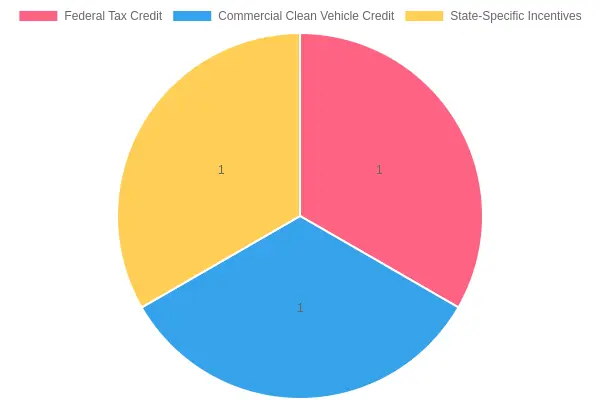
Transitioning to electric trucks not only helps businesses save money through these incentives but also promotes sustainable practices within the logistics and transport industries. It’s advisable for business owners to consult with financial advisors about utilizing these incentives effectively. For a deep dive into why your business should consider electric trucks, learn more here.
Benefits of Electric Trucks for Businesses
Electric trucks are rapidly transforming the logistics and transportation landscape, offering numerous benefits that appeal to business owners. Here are some key advantages:
1. Cost Savings
Electric trucks typically incur lower operating costs than their diesel counterparts. This is primarily due to the reduced cost of electricity compared to diesel fuel and the lower maintenance requirements of electric vehicles (EVs), which often have fewer moving parts.
2. Environmental Impact
Adopting electric trucks can drastically reduce greenhouse gas emissions, allowing businesses to align with sustainability goals. As noted by industry expert Timothy Johnson, “Transitioning to electric trucks not only cuts costs but also supports our planet’s health, making it a win-win for businesses dedicated to sustainability.”
3. Government Incentives
Various governments provide financial incentives, including tax credits and grants, which can offset the initial investment in electric trucks. This helps in making the switch more economically viable for businesses.
4. Improved Performance
Electric trucks offer immediate torque and acceleration advantages, often resulting in better performance in terms of delivery efficiency. This translates into faster delivery times and improved operational efficiency.
The shift to electric-powered vehicles is becoming a necessity for modern businesses. For more insights, you can learn more about why your business should consider electric trucks.
Trends in Electric Vehicle Charging Costs
As electric vehicles (EVs) become increasingly popular, understanding the cost to charge these vehicles has become essential, especially for business owners in the logistics sector. The trends in electric charging costs over the past few years have shown significant fluctuations, influenced primarily by changes in electricity prices and economic factors such as gas prices.
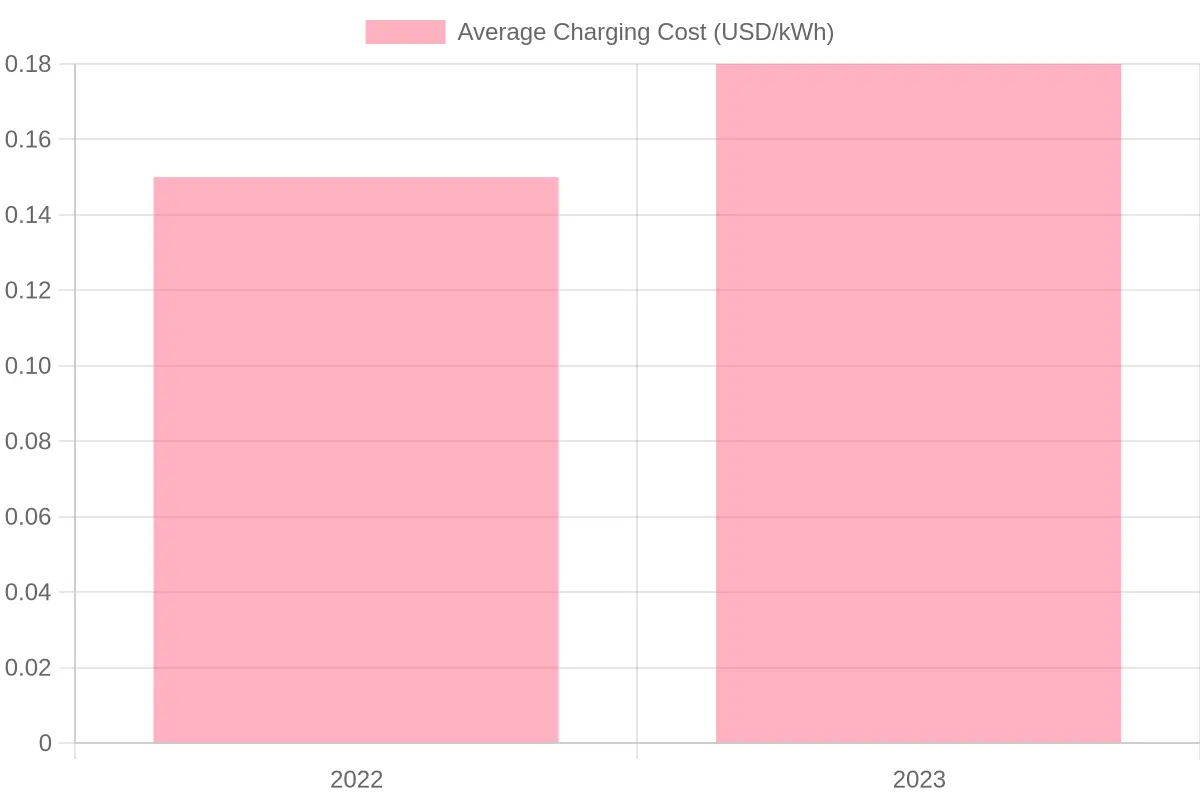
Chart: Average Charging Cost Trends (2022-2023)
| Year | Average Charging Cost (USD/kWh) | Average Gas Price (USD/gallon) | Key Events/Fluctuations |
|---|---|---|---|
| 2022 | 0.15 | 4.00 | Peak in gas prices due to supply chain issues. |
| 2023 | 0.18 | 3.50 | Decrease in gas prices; slight increase in charging costs attributed to electricity price variations. |
The chart above highlights the average charging costs for electric vehicles alongside the average gas prices over a two-year period. In 2022, the average cost of charging an EV was approximately $0.15 per kWh, while in 2023, it increased slightly to $0.18 per kWh. Conversely, the average gas price witnessed a decline from $4.00 per gallon in 2022 to $3.50 per gallon in 2023.
This increase in charging costs can be attributed to various factors, including rising electricity prices, which were affected by broader economic conditions and energy demands. As electricity rates fluctuate, business owners must factor in these costs when calculating overall operating expenses for electric fleets.
For business owners, understanding these trends is crucial for making informed decisions about transitioning to electric vehicles. As charging costs continue to evolve, initiatives aimed at improving energy efficiency and reducing operating costs will be vital.
To explore more about the future of electric trucks in logistics, you can learn more here.
In conclusion, understanding the cost to charge electric trucks is crucial for business owners looking to transition towards sustainable logistics solutions. With the ongoing evolution of electric vehicle technology and the increasing accessibility of charging infrastructure, companies can significantly reduce their operational costs by switching to electric trucks. The long-term savings on fuel and maintenance, coupled with potential government incentives, can yield significant financial benefits. Furthermore, businesses that embrace electric trucks position themselves as leaders in sustainability, appealing to environmentally-conscious consumers and enhancing their brand image.
Electric trucks not only offer operational efficiencies but also contribute to reduced carbon footprints, aligning with global goals for sustainability. As such, investing in electric trucks can set a foundation for future growth and innovation in your logistics strategies by mitigating risks tied to fuel price volatility and regulatory changes.
Business owners should carefully evaluate the initial investment against the anticipated savings. Although upfront costs may be higher, the long-term benefits make electric trucks a compelling choice. For a deeper understanding of the implications of electric mobility in logistics, consider reading how electric trucks are paving the way for cost-effective logistics. Furthermore, understanding market trends can provide insight into potential returns on this investment, so exploring leading electric truck companies and market share predictions is invaluable.
By making the shift to electric trucks, you’re not just making a change in your fleet; you’re making a commitment to a sustainable future, enhanced efficiency, and increased profitability. Don’t wait for the future to arrive – make the switch today and drive your business toward a greener tomorrow!
Take the Next Step Towards a Sustainable Future
As business owners, you understand the importance of adapting to new technologies that not only save costs but also promote sustainability. Electric trucks are not just an option; they are the future of logistics. With charging costs significantly lower than traditional fuel, now is the time to consider integrating electric trucks into your fleet. Not only will this decision reduce your operational costs, but it will also enhance your business’s reputation as a forward-thinking and eco-friendly organization.
At Summit Fairings, we are committed to supporting your journey towards electrification. Our range of electric truck accessories and fairings is designed to optimize performance and efficiency, allowing you to maximize the benefits of your electric fleet. Imagine reducing your fuel expenses further with aerodynamic solutions that improve range and performance.
Don’t let your business fall behind. Join the movement towards sustainable logistics and take advantage of the cost savings that electric trucking offers. Learn more about why your business should consider electric trucks and how Summit Fairings can be at the forefront of your transition to greener technologies. Make the switch today and pave the way for a more sustainable, efficient, and profitable future!
Together, let’s create a cleaner and more efficient transportation landscape.