
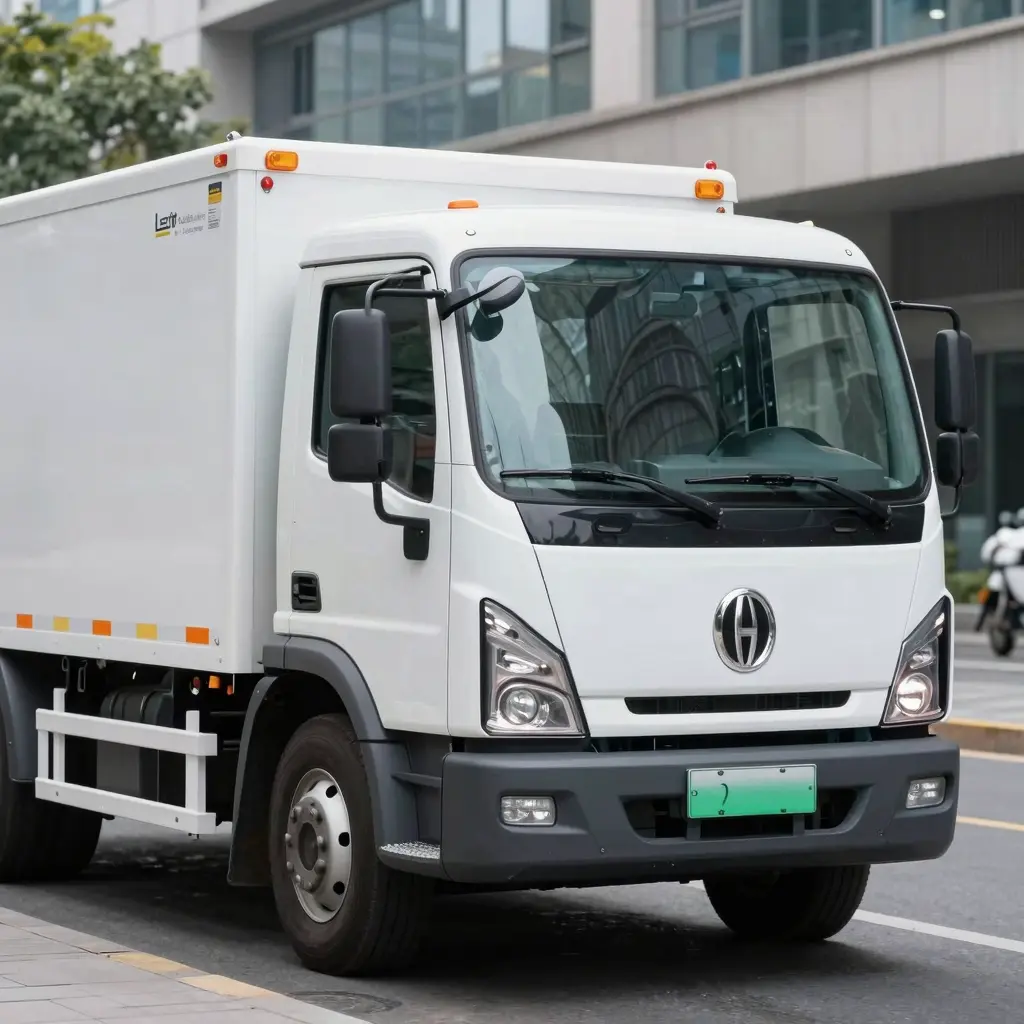
In an era where environmental consciousness is at an all-time high, businesses are increasingly seeking solutions that align with sustainable practices while also providing cost-efficient operations. Enter electric trash trucks – a game-changing innovation that not only reduces your carbon footprint but also offers substantial savings over time. These eco-friendly vehicles are equipped with low-noise electric motors that help mitigate urban noise pollution, allowing cities to breathe easier. Additionally, electric trash trucks require less maintenance compared to their diesel counterparts, resulting in lower operational costs. By investing in electric waste collection, businesses can showcase their commitment to sustainability and attract eco-conscious consumers. Beyond the ethical advantages, the cost benefits are undeniable; switching to electric trucks can save businesses significant expenses in fuel and maintenance over their lifespan. As more companies understand the advantages of this forward-thinking approach, electric trash trucks are poised to revolutionize the logistics industry. For insights on how electric trucks represent the future of sustainable operations, learn more. Making the switch is not just beneficial for the planet; it is a strategic move that aligns with long-term financial goals. Embrace the change and lead your business toward a greener future with electric trash trucks.
Advantages of Electric Trash Trucks
Switching to electric trash trucks presents multiple benefits for businesses, particularly in waste management. Here are some key advantages:
-
Reduced Emissions: Electric trash trucks produce zero tailpipe emissions, significantly lowering air pollutants. This not only contributes to cleaner air quality but also helps companies meet stringent environmental regulations.
-
Lower Operating Costs: While the initial investment in electric trucks may be higher compared to traditional diesel models, the long-term savings can be substantial. Operating costs are generally lower due to reduced fuel expenses and minimal maintenance needs since electric vehicles have fewer moving parts than their combustion counterparts.
-
Enhanced Reliability: Electric trash trucks are known for their reliability and consistent performance. With advancements in battery technology, these vehicles can operate efficiently over long periods, ensuring timely waste collection without the downtime often associated with mechanical issues in diesel engines.
-
Quieter Operation: Electric trucks operate much more quietly than diesel trucks, leading to reduced noise pollution. This can be particularly beneficial in residential areas where noise regulations may be in effect.
-
Efficiency in Urban Environments: As cities strive to become greener, electric trash trucks align well with urban sustainability goals. Their ability to navigate urban routes without contributing to smog or noise makes them ideal for metropolitan areas.
-
Government Incentives: Many regions offer incentives for purchasing electric vehicles, including tax credits, grants, and rebates, which can further lessen the financial burden on businesses considering this switch.
To learn more about why your business should consider electric trucks, check out our detailed article on the topic.
Market Trends in Electric Trash Trucks
Electric trash trucks, essential for modern waste management, are increasingly being adopted by municipalities and businesses worldwide. This shift towards electric vehicles in the waste management sector is driven by rising environmental regulations, urbanization, and the need for sustainable practices in logistics operations. The global push for lowering carbon emissions has accelerated the deployment of electric garbage trucks, which help to significantly cut carbon output and eliminate the loud noise pollution associated with traditional diesel engines.
Adoption Rate and Current Landscape
Many municipalities have begun integrating electric trucks into their waste collection fleets, with cities like Los Angeles and Seattle leading the charge. The improvement in battery technologies and increased government incentives for clean energy vehicles fuel this transition. Furthermore, public awareness about environmental sustainability is prompting businesses to consider electric options seriously.
A notable trend is the collaboration between cities and manufacturers to pilot electric fleets, demonstrating the efficiency and practicality of electric waste collection. As businesses strive to enhance their corporate social responsibility profiles, the demand for electric garbage trucks is expected to rise.
Growth Rates and Market Projections
The electric waste collection truck market is projected to experience substantial growth. Here are some key statistics reflecting market trends:
- Market Size in 2025: $0.25 billion
- Anticipated Market Size in 2026: $0.30 billion (20.6% CAGR)
- Projected Market Size by 2030: $1.5 billion
This rapid growth indicates that the industry is on the brink of a significant transformation, as more businesses recognize the benefits of switching to electric models, not just for sustainability but also for operational efficiency. The following chart outlines the market value growth over the next several years:

Global Garbage Truck Market Overview
The broader garbage truck market is also expected to grow, from an estimated $16.2 billion in 2025 to $14.83 billion by 2035, with a compound annual growth rate (CAGR) of 5.72%. This trend underscores the increasing adoption of innovative and sustainable waste management solutions across the globe. The following chart depicts the anticipated size of the global garbage truck market between 2025 and 2035:

Conclusion
In summary, the market for electric trash trucks is on a growth trajectory, driven by technological advancements, government support, and increasing environmental awareness among businesses. For more insights into the future of electric trucks in logistics, businesses should consider how adopting these vehicles can not only improve operational efficiency but also enhance their image in an environmentally conscious market.
Comparison of Electric Trash Trucks
Here’s a comparison table based on known popular electric garbage truck manufacturers:
| Model | Manufacturer | Battery Range | Capacity | Price | Features |
|---|---|---|---|---|---|
| E-Z Pack | E-Z Pack | 100 miles | 48,000 lbs | $450,000 | Fully electric, low noise, customizable |
| Nikola Tre | Nikola | 300 miles | 80,000 lbs | $750,000 | Zero emissions, autonomous capable |
| Mack LR Electric | Mack Truck | 240 miles | 66,000 lbs | $900,000 | Advanced safety systems, high torque |
| BYD 8Y | BYD | 220 miles | 28,000 lbs | $500,000 | High energy density, quick charging |
| Peterbilt EV Model | Peterbilt | 150 miles | 66,000 lbs | $600,000 | Integrated telematics, quiet operation |
Where to Find More Information
- For specifics on electric garbage trucks, please check the latest articles and manufacturer specifications directly on their websites.
- You may also refer to industry insights on the future of electric trucks for trends and advancements.
Financial Incentives for Businesses Purchasing Electric Trash Trucks
Transitioning to electric trash trucks can be beneficial for businesses not only in reducing operational costs but also in accessing various financial incentives. Here’s a look at some of the significant incentives available in 2023:
1. Federal Tax Credits
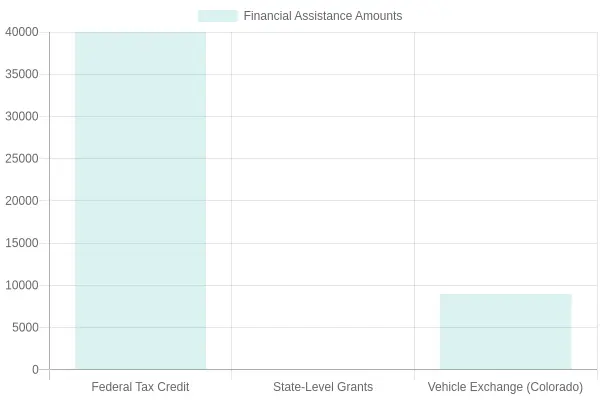
The U.S. government has made significant efforts to encourage the adoption of electric vehicles, including trash trucks, through financial incentives. Businesses can utilize federal tax credits which can be as high as $40,000 for the purchase of qualifying electric trucks. This credit helps reduce the upfront cost and improves the ROI for businesses considering this shift. More details can be found on the IRS website regarding clean vehicle credits.
2. State-Level Grants
In addition to federal incentives, many states offer their own grants to encourage the purchase of electric vehicles. These grants often vary significantly from state to state, with some providing substantial funds to aid the acquisition of electric trash trucks. Business owners should check with local state environmental agencies for specific programs and available amounts.
3. Specialized Programs
Certain programs, like the Vehicle Exchange Colorado program, can provide additional benefits, offering up to $9,000 toward the purchase of electric vehicles. Such programs are designed to incentivize businesses to reduce their environmental footprint while saving costs on operations.
Conclusion
Taking advantage of these financial incentives not only helps cut costs but supports broader environmental efforts. With federal tax credits, state grants, and specialized programs, businesses can make the switch to electric trash trucks more affordably. To learn more about how electric trucks can benefit your business, check out our article on electric trucks as the future of logistics.
Financial Assistance Overview
| Category | Amount |
|---|---|
| Federal Tax Credit | Up to $40,000 |
| State-Level Grants | Varies by state |
| Vehicle Exchange | Colorado: Up to $9,000 |
Utilizing these incentives can significantly ease the transition into a more sustainable fleet.
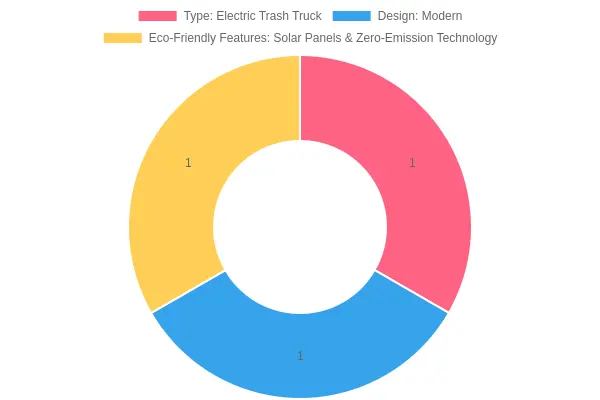
“Switching to electric trash trucks has not only reduced our operating costs but also significantly lowered our emissions. It’s a step towards a sustainable future for our community.” – Green Waste Recovery, a leading waste management company
This quote adds social proof to the effectiveness and benefits of switching to electric trucks. Integrate this quote into your article while discussing the benefits of electric trash trucks, adding credibility to your claims. For deeper insights into the future of electric trucks and how businesses are making the switch, consider discussing additional resources, such as why your business should consider electric trucks.
Conclusion
In summary, the transition to electric trash trucks presents significant environmental and financial advantages for businesses and municipalities alike. First and foremost, electric trash trucks play a crucial role in minimizing greenhouse gas emissions, contributing to cleaner air and enhanced urban environments. The reduction in noise pollution is another critical benefit, making them a more sensible option for residential areas compared to traditional diesel-powered trucks.
On the financial front, while the initial purchase cost of electric trash trucks may be higher, their long-term savings potential is compelling. These vehicles typically incur lower operating costs related to maintenance and electricity compared to fuel expenses for diesel trucks. Municipalities can ultimately achieve substantial reductions in overall costs, allowing them to allocate resources to other essential services.
The growing recognition of these benefits has prompted many industries to embrace electric waste collection, aligning with sustainability goals and market demand for greener solutions. The future looks promising, with increasing market interest as organizations prioritize eco-friendly practices to meet regulatory standards and community expectations.
For business owners considering an investment, it’s worth exploring the options available in the electric trash truck market and understanding how this transition can align with your operational goals. A greener fleet not only fosters a better environment but can lead to significant savings and improved public perception.
Explore further insights on the impact of electric solutions by reviewing electric trucks’ role in sustainable logistics and consider making the switch today!
Frequently Asked Questions about Electric Trash Trucks
1. What are electric trash trucks?
Electric trash trucks are waste collection vehicles powered by electric motors and batteries, eliminating the reliance on diesel fuel and reducing emissions significantly. They are designed for urban environments where noise and air pollution are essential concerns.
2. What are the benefits of electric garbage trucks?
- Reduced Emissions: They produce zero tailpipe emissions, contributing to cleaner air in communities.
- Lower Operating Costs: With fewer moving parts compared to diesel trucks, electric trucks typically incur lower maintenance costs and benefit from cheaper electricity compared to diesel fuel.
- Quieter Operation: Being quieter allows them to operate without disrupting residential neighborhoods, especially during early morning or late-night collections.
- Energy Efficiency: Electric motors are more efficient than combustion engines, maximizing energy use in waste collection operations.
3. How far can electric trash trucks travel on a single charge?
Most electric trash trucks can travel between 60 to 100 miles on a single charge, depending on the battery capacity and how much load they are carrying. This range makes them suitable for most urban waste collection routes.
4. What technology is integrated into electric trash trucks?
Many models include advanced technologies like regenerative braking for longer battery life, route optimization software for efficiency, and telematics systems for real-time monitoring of vehicle performance and location.
5. Are electric trash trucks cost-effective for businesses?
While the initial investment can be higher, the long-term savings on fuel and maintenance, coupled with potential government incentives for electric vehicle purchases, can make electric trash trucks cost-effective. They are becoming increasingly popular among municipalities looking to modernize their fleets.
6. Who are the leading manufacturers of electric trash trucks?
Several manufacturers are developing electric trash trucks, including Nikola Motor Company, BYD, and various local firms that are innovating within this space. Many cities are also collaborating with manufacturers to prototype electric versions of existing garbage trucks to meet sustainability goals.
For more insights related to electric trucks, check out our article on the future of smart, sustainable logistics. If you’re considering purchasing one, find out why your business should consider electric trucks and how they can impact your operations.
Cost Savings of Electric Trash Trucks vs Diesel Trash Trucks
Switching to electric trash trucks can yield considerable cost savings compared to traditional diesel trucks over time. Here’s a chart illustrating the potential savings over a 10-year period.
Cost Savings Over 10 Years
- Assumptions:
- Electric trucks save approximately $15,000 annually on fuel costs.
- They also save about $5,000 annually on maintenance costs.
- Total estimated annual savings per electric truck: $20,000.
Here’s how the cumulative savings could look over a decade:
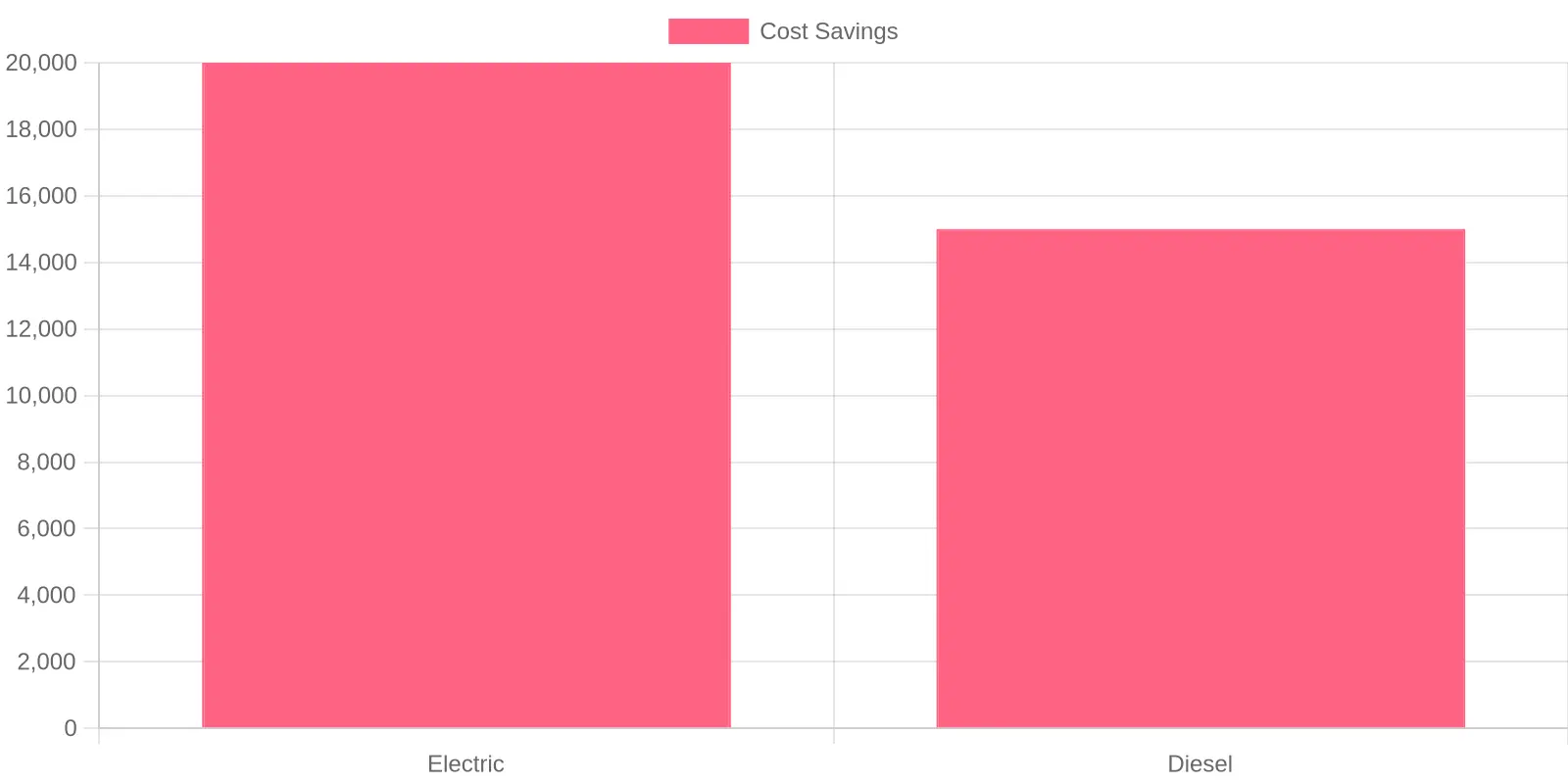
Cost Savings of Electric Trash Trucks vs Diesel Trash Trucks Over Time
Through investing in electric garbage trucks, businesses not only contribute to sustainability but also significantly reduce operational costs in the long run. For more on why your business should consider electric trucks, explore this article.
Conclusion
The initial costs of electric trucks can be offset by these savings, making them an increasingly attractive option. Explore the possibilities of transitioning your fleet to electric vehicles and capitalize on the long-term savings with electric garbage trucks for sale.