

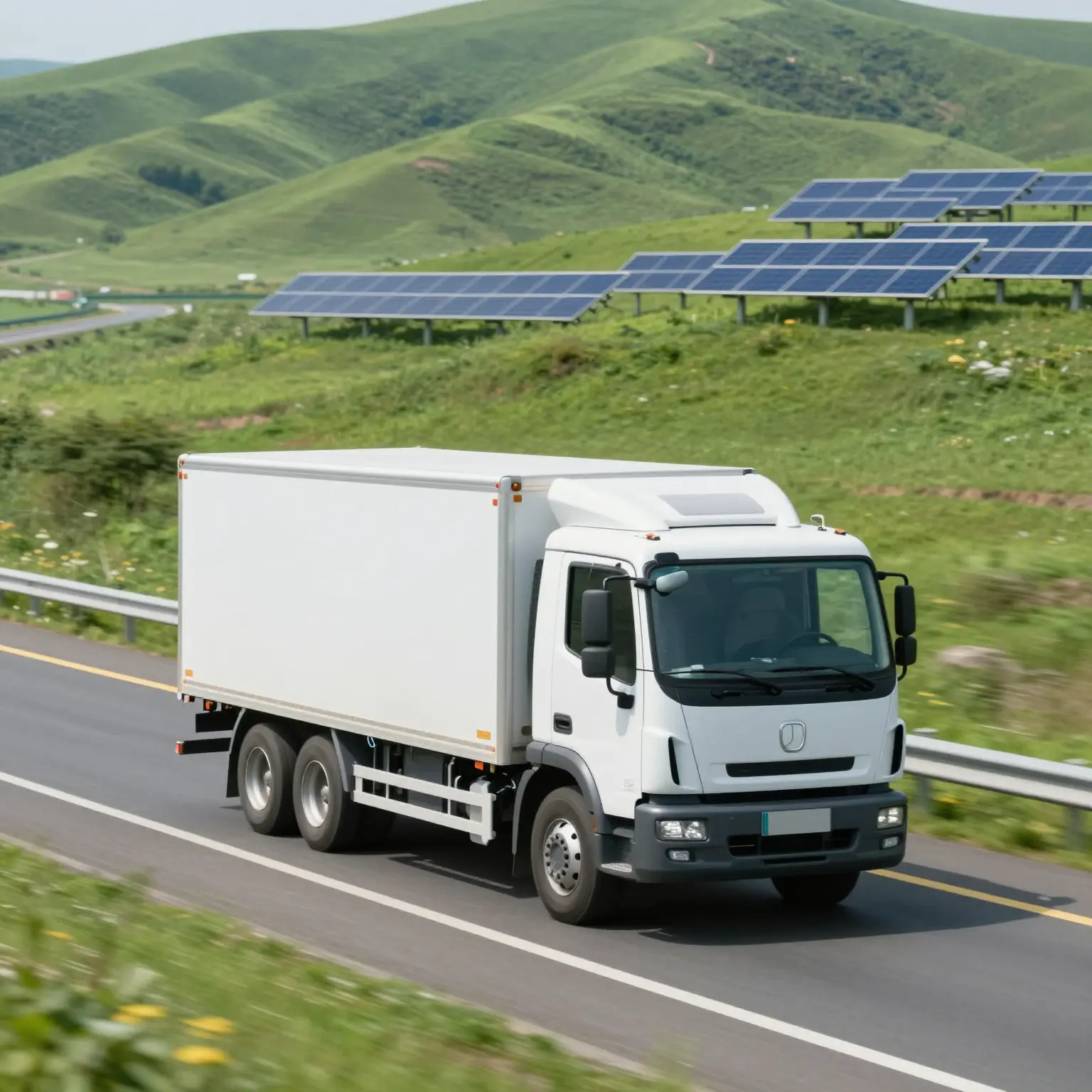
In recent years, the electric truck industry in the USA has seen a remarkable surge, fundamentally altering the landscape of the trucking sector. As businesses increasingly prioritize sustainability and operational efficiency, electric truck companies are stepping up to the challenge, offering innovative solutions that not only reduce carbon footprints but also promise substantial cost savings in the long haul. Major manufacturers are rolling out electric models that compete fiercely with traditional diesel trucks, making electrification a viable option for fleet operators. This evolution reflects a larger trend toward sustainable logistics and smart transportation, aspects that business owners cannot afford to overlook in today’s competitive environment. Embracing electric trucks is more than just a nod to environmental responsibility; it’s a strategic move that can enhance operational efficiency and reduce expenses. For those interested in exploring this trend further, learn more about the future of smart, sustainable logistics and discover how electric vehicles are redefining logistics.
Furthermore, as companies like Tesla, Rivian, and others carve out their market share, keeping an eye on innovations in electric trucks is crucial for business owners who wish to stay ahead. Not only do electric trucks offer lower maintenance costs, but they also align with a growing consumer preference for environmentally friendly business practices, making them an essential consideration for forward-thinking fleets. This transformation in the trucking industry indicates a shift that promises to shape the future of transportation, and understanding its implications can empower business owners to make informed decisions that benefit both their operations and the planet.
Top Electric Truck Companies in the USA
As electric trucks gain prominence in the logistics and transportation sectors, various manufacturers have emerged as leaders in this burgeoning market. Here are five of the top electric truck companies operating in the USA:
-
Tesla
Tesla is renowned for its innovation in the electric vehicle space, and its Cybertruck is anticipated to set new standards for electric trucks with its futuristic design and high-performance features. -
Rivian
Rivian is known for its R1T pickup truck, specifically designed for adventure and utility. This electric truck features advanced technology and has garnered significant attention for its off-road capabilities. -
Ford
The Ford F-150 Lightning represents a powerful combination of America’s best-selling truck and full electric capabilities. It offers impressive performance and range, making it suitable for various business needs. -
Lordstown Motors
Lordstown Motors introduced the Endurance, an electric truck tailored for fleet use. The Endurance focuses on durability and efficiency, targeting companies aiming to reduce emissions in their operations. -
Freightliner
As part of Daimler Trucks, Freightliner’s eCascadia is a heavy-duty electric truck designed for freight transport, featuring a range suitable for long-haul applications and innovative safety features.
These companies are pivotal in transitioning the trucking industry towards more sustainable practices, illustrating how electric vehicles can enhance operational efficiency while reducing carbon footprints. For an in-depth look at how electric trucks are revolutionizing logistics, learn more about electric trucks and their future
Additionally, if you’re interested in Electric Vehicle (EV) market trends, check out insights on leading electric truck companies and market share for 2026.
Benefits of Electric Trucks for Businesses
As businesses continue to evolve and embrace sustainable practices, electric trucks are becoming an increasingly attractive option. Here are some key benefits that electric trucks offer:
Cost Savings
- Fuel Efficiency: Electric trucks are more energy-efficient compared to their diesel counterparts. With the cost of electricity typically lower than diesel fuel, businesses can enjoy significant savings on fuel expenses.
- Tax Incentives: Many governments offer tax rebates and incentives for businesses that invest in electric vehicles, further reducing the overall purchase and operational costs.
- Lower Operating Costs: The simplified mechanics of electric trucks lead to lower operating costs. Businesses can save on fuel, and in many cases, insurance costs can also be lower.
Environmental Impact
- Reduced Emissions: Electric trucks produce zero tailpipe emissions, significantly lowering the carbon footprint of logistics and transportation operations. This aligns with corporate sustainability goals and regulations aimed at reducing pollution.
- Sustainability Branding: Utilizing electric trucks can help enhance a company’s brand image as a sustainable and responsible business, appealing to environmentally-conscious consumers and clients.
Maintenance Reduction
- Less Frequent Maintenance: Electric trucks have fewer moving parts compared to combustion engine trucks, leading to fewer breakdowns and less regular maintenance. This translates to reduced downtime and lower labor costs.
- Longevity: Battery technology is advancing, and many electric trucks are designed for longevity, often outlasting traditional vehicles with proper care. This longevity reduces replacement frequency and costs over time.
Businesses considering electric trucks can explore the future of logistics and may also be interested in why to consider electric trucks. Switching to electric trucks not only supports cost efficiency but also aligns business operations with a sustainable future.
Current Trends in Electric Truck Adoption by Businesses in the USA
1. Market Growth
The electric truck market in the United States is experiencing significant growth. As of 2022, the market was projected to grow at a compound annual growth rate (CAGR) of around 25% through the mid-2020s. Major manufacturers like Tesla, Rivian, and Ford are leading the charge with substantial investments in electric truck production. Notably, many businesses are considering or have already begun transitioning their fleets to electric models to capitalize on operational efficiency and sustainability benefits.
2. Regulatory Support
Increased regulatory support, such as federal tax incentives and state-level grants, is fostering a conducive environment for electric truck adoption. The Biden administration’s commitment to electric vehicles (EVs) is aimed at paving the way for 50% of new vehicles sold in the U.S. to be electric by 2030, promoting broader acceptance among commercial fleets.
3. Cost Advantages
Though the initial investment in electric trucks is comparatively higher than traditional diesel trucks, the lower operating costs (fuel and maintenance) are increasingly attractive. Businesses are realizing that electric trucks can save money in the long run, particularly with fluctuating fuel prices.
4. Sustainability Goals
Many companies are integrating sustainability into their core strategies, leading to an uptick in the adoption of electric trucks. By utilizing EVs, businesses can significantly reduce their carbon footprint, aiding in their efforts to meet environmental standards and corporate social responsibility commitments.
Statistics Snapshot
- Electric Truck Market CAGR: Approximately 25% through the mid-2020s.
- Adoption Trend: A growing number of businesses initiating fleet electrification influenced by reduced operating costs and enhanced sustainability efforts.
For more information on why your business should consider adopting electric trucks, check out our article on the benefits of electric trucks.
While distinct figures for 2023 adoption were not accessible in my search, the overall direction points toward a notable increase in interest and investment in electric truck technologies among American businesses.
This emerging trend, propelled by both operational affordability and regulatory encouragement, positions electric trucks as a critical component of the future logistics landscape in the USA.
Comparison of Electric Truck Models
Here’s a comparison table of popular electric truck models based on features, price, range, and charging times. This information is vital for business owners considering the transition to electric vehicles.
| Model | Features | Price Range | Range | Charging Time |
|---|---|---|---|---|
| Tesla Cybertruck | Unique design, rapid acceleration, customizable | $39,900 – $99,900+ | Up to 500 miles | Fast charging at Tesla Supercharger stations |
| Ford F-150 Lightning | Over 2,000 lbs payload, durable, various options | Starting at $39,974 | Approximately 300 miles | Home and DC fast charging options |
| Rivian R1T | Adventure design, versatile features | Starting around $73,000 | Up to 400 miles | DC fast charging at RIVIAN Adventure Network |
| Chevrolet Silverado EV | Large cabin, advanced technology features | Expected from $39,900 | Over 400 miles | Includes fast charging capabilities |
This table provides a snapshot of what each model offers in the competitive electric truck market. For further insights into electric truck options, learn more about the future of electric trucks or explore various truck types available here.
Case Studies of Businesses Using Electric Trucks
1. Amazon’s Integration of Electric Trucks
Amazon is making significant strides in the logistics sector with its deployment of electric trucks, aligning with its ambitious sustainability goals. In April 2026, the company announced plans to integrate 75 electric heavy-duty trucks from Einride into its Relay freight network. This initiative is part of Amazon’s broader strategy to incorporate no-emissions technology across its logistics operations, thereby reducing its carbon footprint.
Benefits:
- Reduced Emissions: The electric trucks are expected to significantly lower greenhouse gas emissions compared to traditional diesel trucks.
- Cost Efficiency: By transitioning to electric vehicles (EVs), Amazon anticipates reducing operational costs associated with fuel and maintenance, as electric trucks have fewer moving parts compared to their gasoline counterparts.
- Sustainability Commitment: This initiative highlights Amazon’s commitment to environmental sustainability, aiming to achieve net-zero carbon emissions by 2040.
For more details on Amazon’s logistics strategies and the impact of electric trucks, you can explore the expansion of their electric truck program.
2. BMW Group’s Electric Truck Initiatives
The BMW Group has been actively testing electric and hybrid-electric trucks in collaboration with DHL. This partnership enables BMW to enhance its logistics operations while committing to sustainability. The initiative is part of their goal to electrify logistics operations and reduce carbon emissions significantly.
Benefits:
- Enhanced Efficiency: The integration of electric trucks allows BMW to streamline its supply chain operations, creating efficiencies that traditional vehicles cannot match.
- Sustainability Leadership: By incorporating electric trucks, BMW demonstrates leadership in sustainable practices within the automotive industry, aligning with their target of carbon neutrality by 2030.
- Operational Flexibility: The transition to electric vehicles helps BMW to adapt its logistics to new regulatory environments that increasingly favor low-emission transportation solutions.
For further insights into BMW’s sustainability practices and electric vehicle initiatives, check out their latest updates on electric truck testing.
These case studies illustrate how major companies are leveraging electric trucks to enhance operational efficiency, promote sustainability, and meet the evolving demands of the logistics sector. The integration of electric trucks not only supports environmental goals but also drives cost savings and operational improvements, making them a viable choice for businesses looking to innovate and lead in their industries.
By adopting electric trucks, businesses can align with current trends towards electrification, contributing positively to the environment while optimizing their logistics strategies. For more insights about the future of sustainable logistics, learn more about the benefits of electric trucks.

Testimonials from Business Owners About Electric Trucks
Electric trucks are gaining popularity among various businesses, and many owners are sharing their positive experiences. Here are some insightful testimonials:
“Switching to electric trucks has significantly reduced our operating costs. We can deliver goods at a fraction of the previous fuel costs, and the reduced maintenance needs mean less downtime for repairs.”
- Michael Torres, Fleet Manager at Eco Freight Solutions
“Our commitment to sustainability received a vast boost when we shifted to electric trucks. Not only do we meet our environmental goals, but our customers appreciate our efforts to reduce our carbon footprint.”
- Lisa Chen, Owner of Green Delivery Services
“The reliability of electric trucks has transformed our fleet operations. They are quiet, smooth, and we’ve seen improvements in our delivery times due to fewer mechanical failures.”
- James Noonan, CEO of Urban Logistics Inc.
These testimonials highlight that many businesses are experiencing both economic and environmental advantages from transitioning to electric trucks, as seen in more detail in our article on why your business should consider electric trucks.
In addition to personal testimonials, it’s noteworthy to examine common benefits reported by businesses using electric trucks. Refer to the chart below for a visual representation of these benefits:
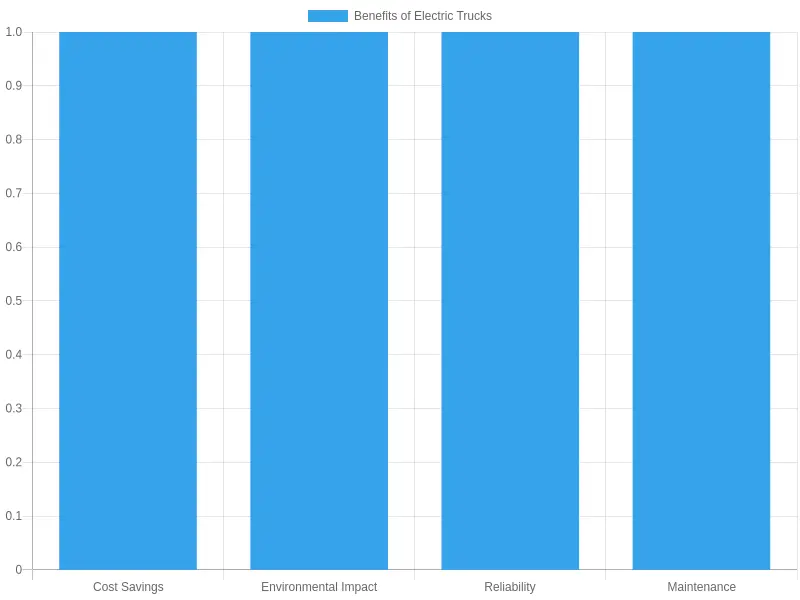
By listening to the experiences of fellow business owners and reviewing the statistics, you can make informed decisions about incorporating electric trucks into your fleet.
The Future of Electric Trucks in the USA
As we look towards the future, the landscape of electric trucks in the USA is poised for significant transformation. Recent trends indicate that by 2024, the growth trajectory for electric trucks is set to achieve remarkable milestones. The U.S. electric truck market, valued at approximately $711 million in 2023, is projected to skyrocket to $13.92 billion by 2030, representing a staggering annual growth rate of about 36.16%. This growth doesn’t just signify the widespread acceptance of electric trucks; it reflects a larger shift in the logistics and transportation sector towards sustainable practices.
Among the noteworthy trends, 58% of medium-duty trucks and 41% of heavy-duty trucks in U.S. fleets are already identified as suitable candidates for electric adoption. This trend indicates a readiness among businesses to electrify their fleets, driven by a combination of cost savings and environmental benefits. Electric trucks not only incur lower maintenance costs due to fewer moving parts, but they also help companies achieve their sustainability targets by significantly reducing greenhouse gas emissions.
Additionally, with the U.S. rapidly approaching purchase price parity for electric trucks relative to diesel models, it becomes increasingly feasible for businesses to make the switch. The market is not just evolving due to technology but is also supported by regulatory incentives, such as tax breaks and grants for electric vehicle adoption, which can help offset initial costs.
As business owners, the decision to invest in electric trucks should be viewed as an opportunity rather than a hurdle. The upcoming years will not just herald environmentally friendly logistics solutions but present a competitive edge in a market that values sustainability. To remain ahead, it is critical to consider transitioning to electric models to capitalize on these growth prospects. For more insights on how electric trucks can transform logistics, check out our blog on the future of smart, sustainable, and cost-effective logistics and explore the benefits why your business should consider electric trucks.
Electric Truck Market Growth
The electric truck market is experiencing remarkable growth, driven by advancements in technology and increasing demand for sustainable transportation solutions. Here’s an illustration of the market value growth from 2020 to 2026:

Market Growth Data:
| Year | Market Value (in billion $) |
|---|---|
| 2020 | 5.15 |
| 2021 | 7.26 |
| 2022 | 10.09 |
| 2023 (estimated) | 12.88 |
| 2024 (forecast) | 16.18 |
| 2025 (forecast) | 22.72 |
| 2026 (forecast) | 30.45 |
In recent analyses, the global electric truck market is anticipated to grow significantly, with expectations for the market value to reach USD 30.45 billion by 2026. This substantial growth underscores the increasing transition towards electric vehicles within the logistics and transportation sectors, making them a pivotal consideration for business owners looking to innovate their operations. For deeper insights on how electric trucks can change the logistics landscape, learn more about the future of electric trucks.