

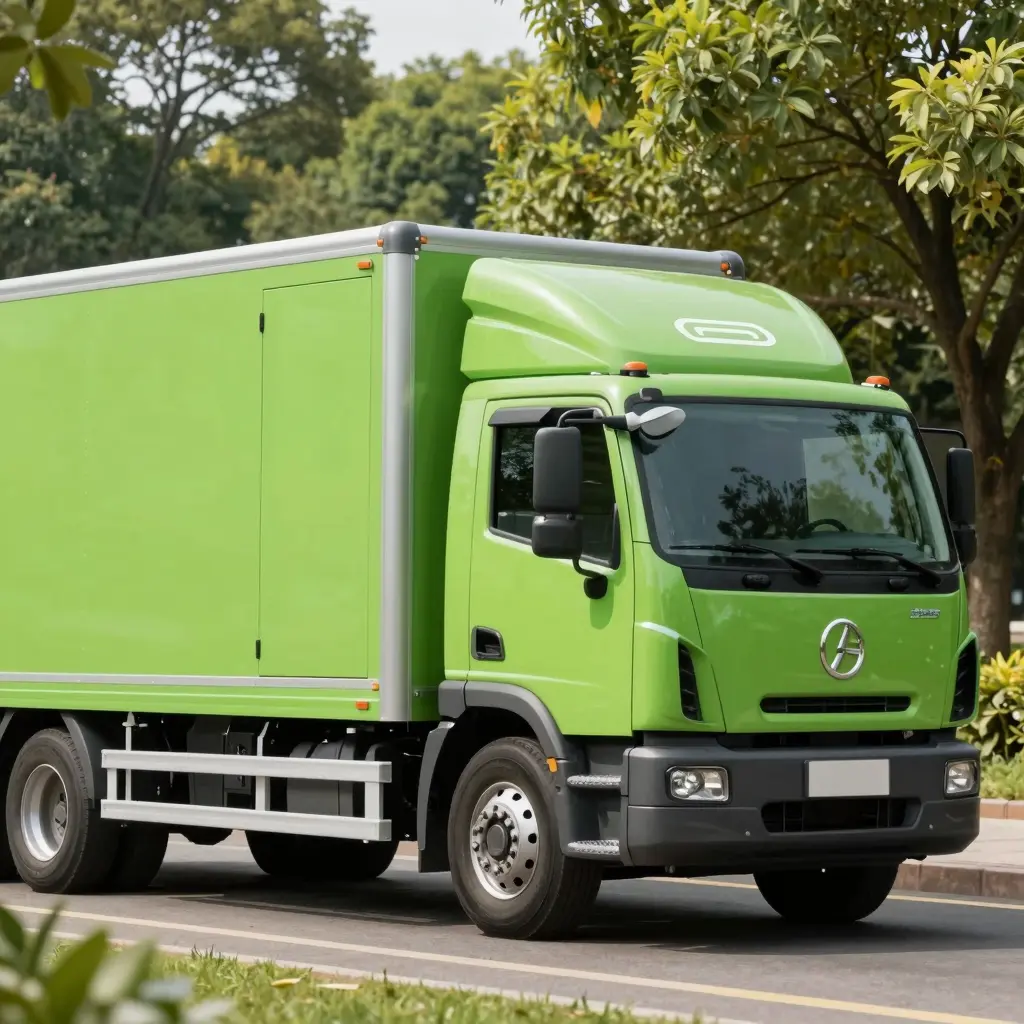
In a world increasingly driven by the need for sustainability, the emergence of electric trucks marks a pivotal shift in the transport industry. These innovative vehicles not only represent a major leap forward in technology but also align seamlessly with the growing demand for sustainable transport solutions. As business owners grapple with the challenges of rising fuel costs and environmental regulations, electric trucks stand out as a viable alternative to conventional diesel-powered vehicles. They promise not only to reduce carbon footprints but also to enhance operational efficiency and cost savings, making them an attractive investment for the future.
As we delve deeper into this topic, we’ll explore how electric trucks are reshaping logistics and transportation, and what this trend means for your business. Learn how adopting electric trucks can position your company at the forefront of sustainable innovation in the transport sector, ultimately driving greater profitability and a competitive edge in the market. For an in-depth understanding, check out our article on the future of smart, sustainable, and cost-effective logistics.
Top Companies Building Electric Trucks
As the demand for sustainable transportation continues to grow, several leading manufacturers are making significant strides in the electric truck industry. Here are five key companies dedicated to building electric trucks:
1. Tesla
- History: Founded in 2003, Tesla has evolved into a leading electric vehicle manufacturer, impacting numerous market sectors.
- Innovative Features: The Tesla Semi is designed for long-haul deliveries, featuring advanced autopilot capabilities and a sleek design. It aims to maximize efficiency and lower operating costs significantly compared to traditional trucks.
- Market Impact: Tesla’s robust brand identity and pre-orders for the Cybertruck indicate a strong influence on consumer perceptions of electric trucks, pushing the market forward.
2. Rivian
- History: Established in 2009, Rivian specializes in electric adventure vehicles, positioning its trucks for utility and rugged performance.
- Innovative Features: The R1T, Rivian’s electric pickup truck, boasts features like all-wheel drive, adjustable air suspension, and vast storage solutions designed for outdoor activities.
- Market Impact: With a focus on sustainability and adventure, Rivian appeals to eco-conscious consumers, attracting substantial investor interest and partnerships, such as their agreement with Amazon for electric delivery vans.
3. Ford
- History: A cornerstone of the automotive industry since 1903, Ford has committed significant resources to transition towards electric vehicles.
- Innovative Features: The F-150 Lightning combines the classic F-Series reliability with electric efficiency, offering features such as impressive towing capacity and built-in power generation capabilities.
- Market Impact: Ford’s F-150 lineup has long been market-leading, and the Lightning aims to capture a new segment of electric truck buyers while strengthening Ford’s position in the EV market.
4. Lordstown Motors
- History: Founded in 2018, Lordstown Motors focuses on electric commercial vehicles, primarily targeting fleet sales to businesses.
- Innovative Features: Their Endurance electric pickup offers unique in-wheel motor technology for improved traction and efficiency.
- Market Impact: By targeting commercial fleets, Lordstown aims to fill a niche in the electric truck market and establish itself as a leader in the commercial EV segment.
5. Volvo
- History: Established in 1927, Volvo is a reputable manufacturer in the automotive field, known for its commitment to safety and innovation.
- Innovative Features: The Volvo VNR Electric is designed for regional transport, featuring a range optimized for urban driving and reduced emissions.
- Market Impact: Volvo’s strong emphasis on sustainability aligns with global regulations for cleaner transport solutions, enhancing its reputation among fleet operators.
These companies are at the forefront of developing electric trucks, which signifies a transformative shift in the logistics and transportation sectors. As more traditional manufacturers move to electrification, we can expect further innovations and competitive dynamics in the electric truck market. To explore more about the future of electric logistics, read our in-depth article.
Comparison of Electric Truck Models
This table provides a quick reference for business owners considering the purchase of electric trucks. Below, you’ll find a comparison of various electric truck models focusing on their range, payload capacity, price, and unique features.
| Model | Range (miles) | Payload Capacity (lbs) | Price (USD) | Unique Features |
|---|---|---|---|---|
| Ford F-150 Lightning | Up to 300 | 2,000 | $39,974 | Can power a house during an outage, advanced tech integration |
| Rivian R1T | Up to 314 | 1,760 | $73,000 | Gear tunnel for additional storage, adjustable air suspension |
| Tesla Cybertruck | Up to 500 | 3,500 | $39,900 | Stainless steel exoskeleton, bullet-resistant glass |
| Chevrolet Silverado EV | Up to 400 | 1,200 | $39,900 | Multi-flex tailgate, spacious tech-oriented interior |
Consider these models and their specifications to determine the best fit for your business needs. For additional insights into the future of electric trucking, learn more about the impact of electric trucks on logistics.
Benefits of Electric Trucks for Businesses
Electric trucks have become a significant trend in the transportation industry, providing not only innovative solutions for logistics companies but also numerous advantages that can enhance business efficiency. Here’s a thorough overview of the key benefits:
1. Cost Savings
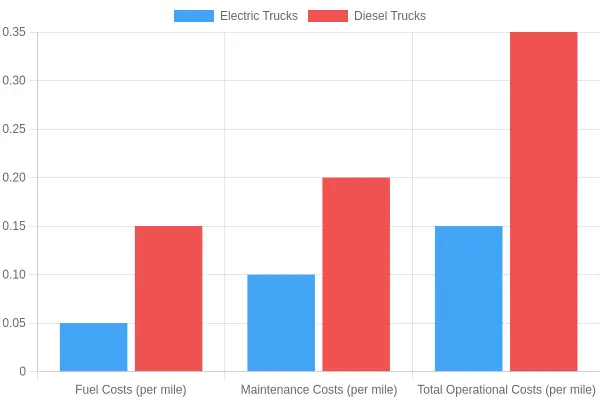
- Lower Fuel Costs: Electric trucks typically cost about $0.05 per mile to operate, compared to $0.15 per mile for diesel trucks, resulting in substantial savings over time.
- Maintenance Savings: With significantly fewer moving parts than their diesel counterparts, electric trucks also incur lower maintenance costs, estimated at $0.10 per mile compared to $0.20 for diesel, making the total operational costs dramatically more favorable for businesses.
2. Environmental Impact
- Reduced Emissions: Electric trucks produce zero tailpipe emissions, which helps businesses significantly cut down their carbon footprint and contribute to cleaner air, particularly in urban environments.
- Sustainability Goals: Companies adopting electric trucks can enhance their brand image by showcasing commitment to sustainability, which resonates well with increasingly eco-conscious consumers.
3. Regulatory Advantages
- Compliance with Regulations: Many governmental policies are pushing for lower carbon emissions in logistics. Transitioning to electric vehicles allows businesses to comply readily with current and future regulations, potentially avoiding hefty fines and penalties.
- Incentives and Grants: Numerous federal and state programs offer incentives for businesses that invest in electric vehicles, making the transition financially feasible and beneficial on multiple fronts. Companies can take advantage of tax credits that can reduce the initial investment costs and enhance long-term savings.
4. Market Competitiveness
- Early Adoption Benefits: Businesses that invest in electric trucks early often gain a competitive edge as technology and infrastructure (like charging stations) evolve, making it easier for fleet operations.
- Customer Attraction: By using electric trucks, companies can attract environmentally conscious clients who prefer sustainable practices and products.
Electric trucks are not just a smarter choice in terms of logistics; they represent a shift toward a sustainable future and provide economic benefits that can empower your business in a competitive marketplace. For more insights on how electric trucks can transform your business logistics, learn more about the future of electric trucks.
Challenges in Adopting Electric Trucks
As the demand for sustainable logistics solutions rises, businesses are increasingly considering electric trucks for their fleets. However, the transition to electric is not without its challenges. Below, we explore the main obstacles businesses face when adopting electric trucks, often referred to as “barriers to adoption.”
1. Infrastructure Limitations
One of the most significant hurdles for companies adopting electric trucks is the lack of adequate charging infrastructure. Many regions, particularly rural ones, suffer from insufficient charging stations, making it difficult for businesses to operate effectively with electric vehicles. Electric truck fleets require widespread and reliable charging options to support long-haul applications. According to a report, 70% of fleets cite a lack of accessible charging options as a barrier to transitioning to electric (read more about infrastructure challenges).
2. Initial Costs
The initial investment required to purchase electric trucks is another significant challenge. While electric trucks can offer lower fuel and maintenance costs over their lifespan, the upfront costs are generally higher than traditional diesel trucks. For many companies, especially small to mid-sized enterprises, this can be a substantial financial barrier. Studies indicate that electric trucks can cost about 25% more than their diesel counterparts, leading many businesses to hesitate before making the shift (learn more about electric trucks).
3. Supply Chain Issues
Transitioning to electric trucks can also introduce complexities in existing supply chains. Businesses that primarily rely on diesel-powered fleets may find it challenging to integrate electric trucks into their operations. The logistics of switching includes potential delays during the adaptation period, including retraining staff and modifying routes to include charging stops. Companies must consider how this shift will impact their overall logistics performance and customer service levels.
4. Market Maturity
The electric truck market is still evolving, leading to uncertainties regarding availability and performance. While technology continues to advance, the current options for electric trucks may not meet all operational needs as effectively as traditional trucks. Businesses may worry about vehicle reliability and the potential for performance issues, which can deter investment in electric options.
5. Government Policies and Incentives
Government support plays a critical role in overcoming barriers to adoption. Initiatives that promote electric truck usage through incentives, grants, or tax breaks can facilitate the transition. However, inconsistent regulations and fluctuating governmental support can create an environment of uncertainty, making companies hesitant to fully commit to adopting electric trucks.
Conclusion
While there are significant challenges associated with adopting electric trucks, understanding these barriers enables business owners to prepare for a more sustainable logistics future. By addressing infrastructure limitations, managing initial costs, and navigating supply chain complexities, companies can better position themselves for success as they transition to electric fleets.
As evidenced, the move towards electric trucks not only supports environmental goals but also presents practical challenges that require thoughtful navigation.
“The transition to electric trucks is not just an environmental necessity; it is an economic opportunity for businesses. Companies that adopt electric vehicles will not only contribute to a sustainable future but can also benefit from lower operating costs and enhanced consumer loyalty in an increasingly eco-conscious market.”
- Industry Expert
Summary Points:
- Electric trucks promise significant cost savings, particularly in fuel.
- Environmental compliance is becoming increasingly crucial.
- Consumer preference is shifting towards companies that adopt sustainable practices.
- Developing charging infrastructure is enhancing logistics efficiency for electric fleets.
For a deeper understanding of the implications of electric trucks on logistics, learn more about the future of electric trucks in logistics.
Estimated Adoption Rates of Electric Trucks
As the electric truck market continues to evolve, understanding the adoption rates over recent years is crucial for business owners. The following chart presents the estimated adoption rates of electric trucks between 2018 and 2023:

Adoption Rate Statistics:
| Year | Estimated Adoption Rate (%) |
|---|---|
| 2018 | 0.5 |
| 2019 | 1 |
| 2020 | 2.5 |
| 2021 | 5 |
| 2022 | 10 |
| 2023 | 18 |
This upward trend indicates a significant growth in the adoption of electric trucks, suggesting ample opportunities for businesses looking to invest in sustainable logistics. For more insights on the electric truck industry, check out this article about the future of smart logistics.
In conclusion, the shift toward electric trucks is not just a trend-it’s a necessary evolution for modern businesses striving for sustainability and efficiency. As we have discussed, electric trucks offer numerous advantages including reduced operating costs, environmental benefits, and enhanced technology integration, making them an appealing choice for forward-thinking companies. Additionally, with government incentives making the transition easier, now is the perfect time for business owners to invest in electric vehicle fleets. By adopting electric trucks, companies can not only improve their operational efficiency but also enhance their brand image in an increasingly eco-conscious marketplace. To explore how you can effectively transition to electric trucking and to get more insights on industry advancements, check out this comprehensive guide on electric trucks as a sustainable solution. Don’t hesitate-embrace the future of transportation today! For reliable electric truck configurations designed to suit your business needs, visit Summit Fairings.
Further Reading on Electric Trucks
If you’re interested in exploring more about electric trucks, their benefits, and advancements in the industry, here’s a list of resources that provide in-depth information:
-
The Benefits of Electric Trucks
Source: Energy.gov
Date: 2023
Summary: This resource outlines the environmental advantages of electric trucks, including reduced greenhouse gas emissions, lower operating costs, and savings in fuel expenses. -
Electric Trucks: Everything You Need to Know
Source: Forbes
Date: May 12, 2023
Summary: This article discusses the driving forces behind the transition to electric trucks, such as advances in battery technology and environmental regulations, along with the benefits of lower noise pollution and enhanced air quality. -
The Future of Electric Trucks in Logistics
Source: Logistics Management
Date: September 15, 2023
Summary: This resource explores how electric trucks can minimize carbon footprints and enhance brand reputation within the logistics sector, delivering long-term cost savings. -
How Electric Trucks Are Transforming the Transport Sector
Source: Transport Topics
Date: January 14, 2023
Summary: This article delves into the growing popularity of electric trucks in the transport industry, highlighting benefits like lower emissions and adherence to sustainability goals.
These resources offer valuable insights for business owners looking to understand the current landscape of electric trucks and their implications for sustainable logistics. To learn about the future of electric trucks in the market, check out Electric Trucks: The Future of Smart, Sustainable and Cost-Effective Logistics.
Conclusion
The shift towards electric trucks is reshaping the logistics and transportation industries. By examining these resources, you will gain a comprehensive understanding of the benefits, technologies, and market trends related to electric trucks.