
What Are ABS Fairings Made Of?
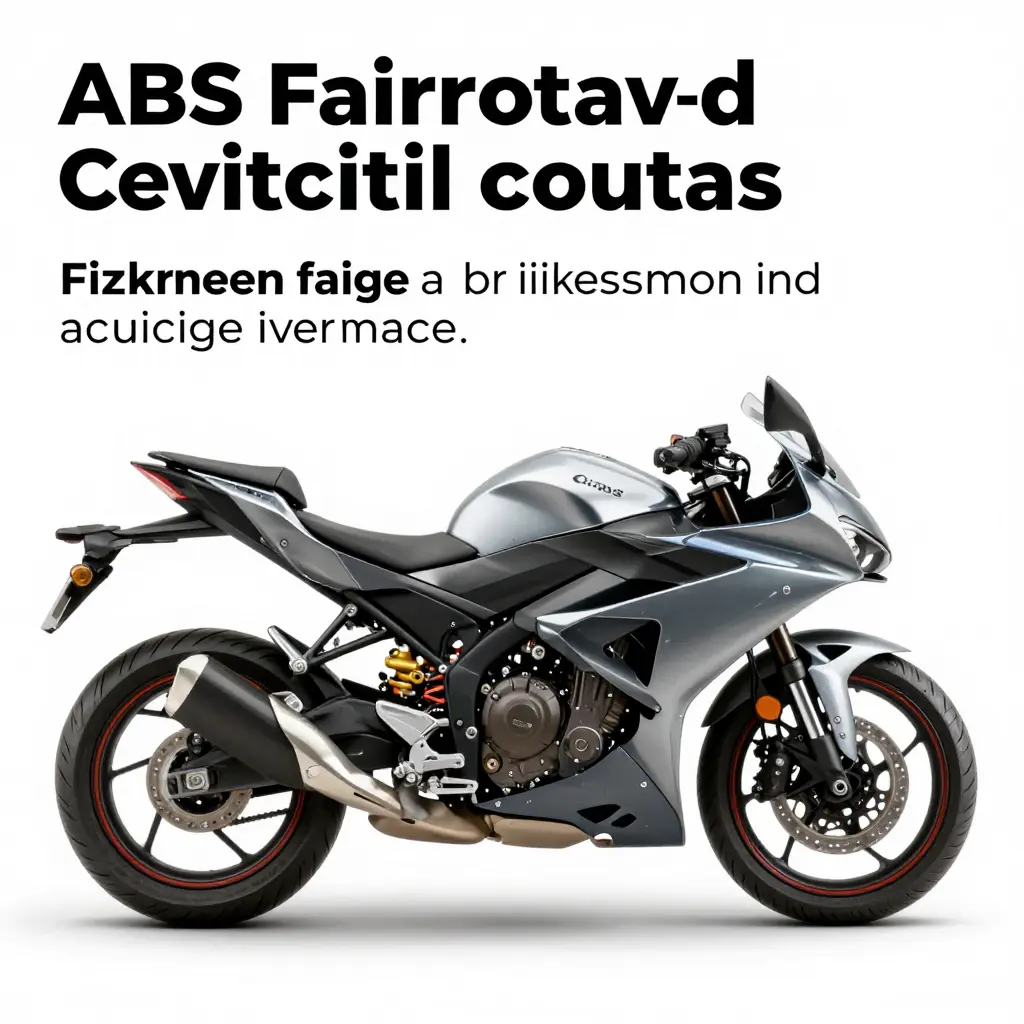
ABS fairings are the molded plastic body panels found on most modern motorcycles, and the name is the recipe: Acrylonitrile Butadiene Styrene. ABS is a thermoplastic, which means it softens when heated and hardens as it cools. That one property is why injection molding can turn out thousands of identical panels.
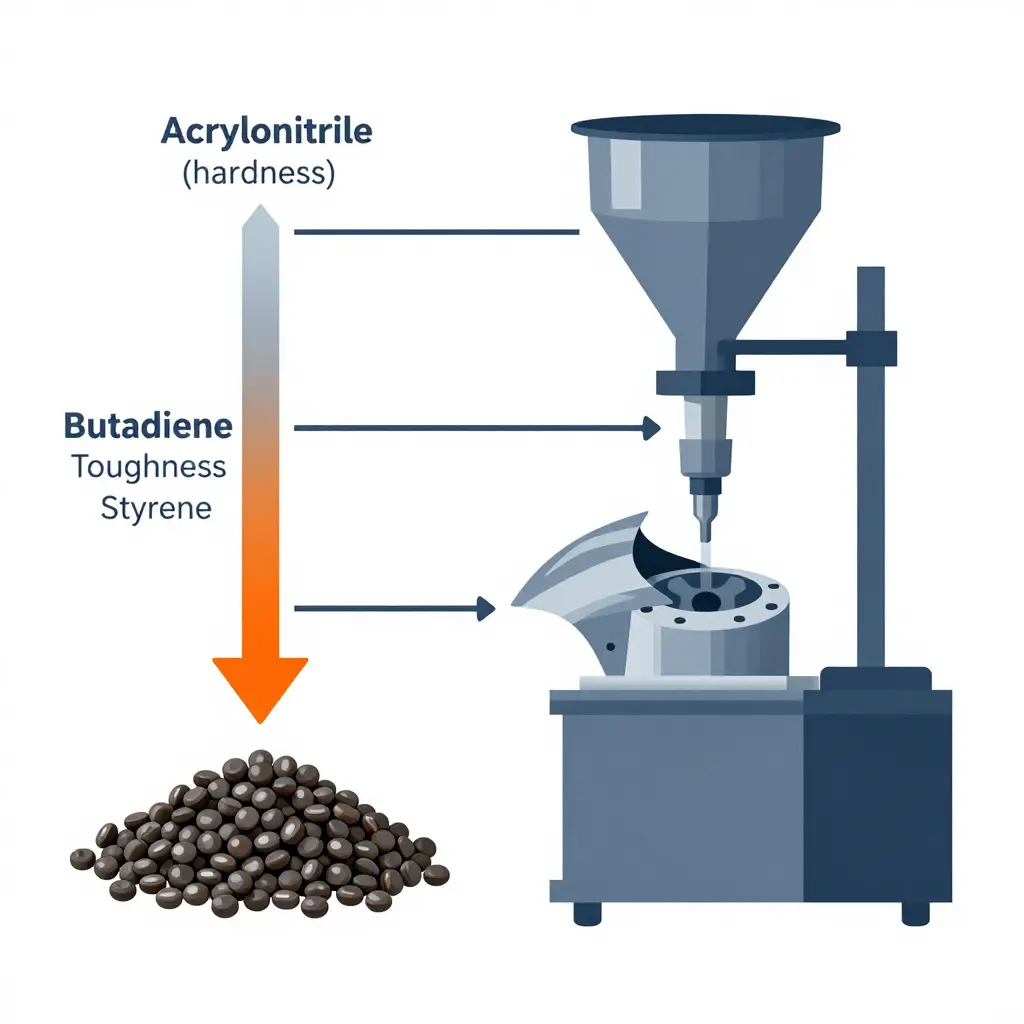
Each of the three monomers does a different job. Acrylonitrile adds chemical resistance and surface hardness. Butadiene supplies toughness and the elasticity that lets a panel flex. Styrene carries the glossy, paintable finish riders expect. Blended together, they make a plastic rigid enough to hold a molded shape and flexible enough to bend instead of shatter.
How Each Panel Is Injection Molded
Fairings are made by injection molding. ABS pellets are melted and forced under pressure into a steel mold cut to the exact shape of one panel. The plastic fills the cavity, cools, and drops out as a finished part. Complex curves, mounting tabs, and tight tolerances come out in a single pass – something fiberglass layup struggles to match at volume.
Flexibility and Impact Absorption
The trait that defines ABS is flexibility. Hit it and it flexes, spreads the load across the panel, and springs back instead of cracking. ABS absorbs impact; stiffer alternatives do not.
Why Flexibility Matters in a Low Side
In a low side the bike goes down and the fairing slides on the pavement. Flexibility helps in two ways:
- It deforms instead of shattering. The panel flexes around the contact point rather than cracking outright, so more of the bodywork stays intact.
- It wears gradually. The same elasticity lets the surface yield under friction, so the plastic abrades slowly rather than breaking into sharp fragments.
An ABS fairing will scuff and grind, but it often stays in one piece.
ABS vs Fiberglass Fairings
Weigh ABS against fiberglass and the trade-off comes down to durability versus repairability. Fiberglass is stiffer and lighter, but also more brittle, so sudden stress tends to crack or delaminate it. ABS bends and absorbs, and it often survives the slide. That is why most factory fairings are molded from it.
What Are Fiberglass Fairings?
Fiberglass fairings are composite body panels that cover and streamline the front, sides, and tank area of a bike. Rather than being molded from a single sheet of plastic, they are built from glass fibers held in cured resin. That layered construction gives the material its distinct strength, weight, and feel.
Layered Resin-and-Glass-Fiber Construction
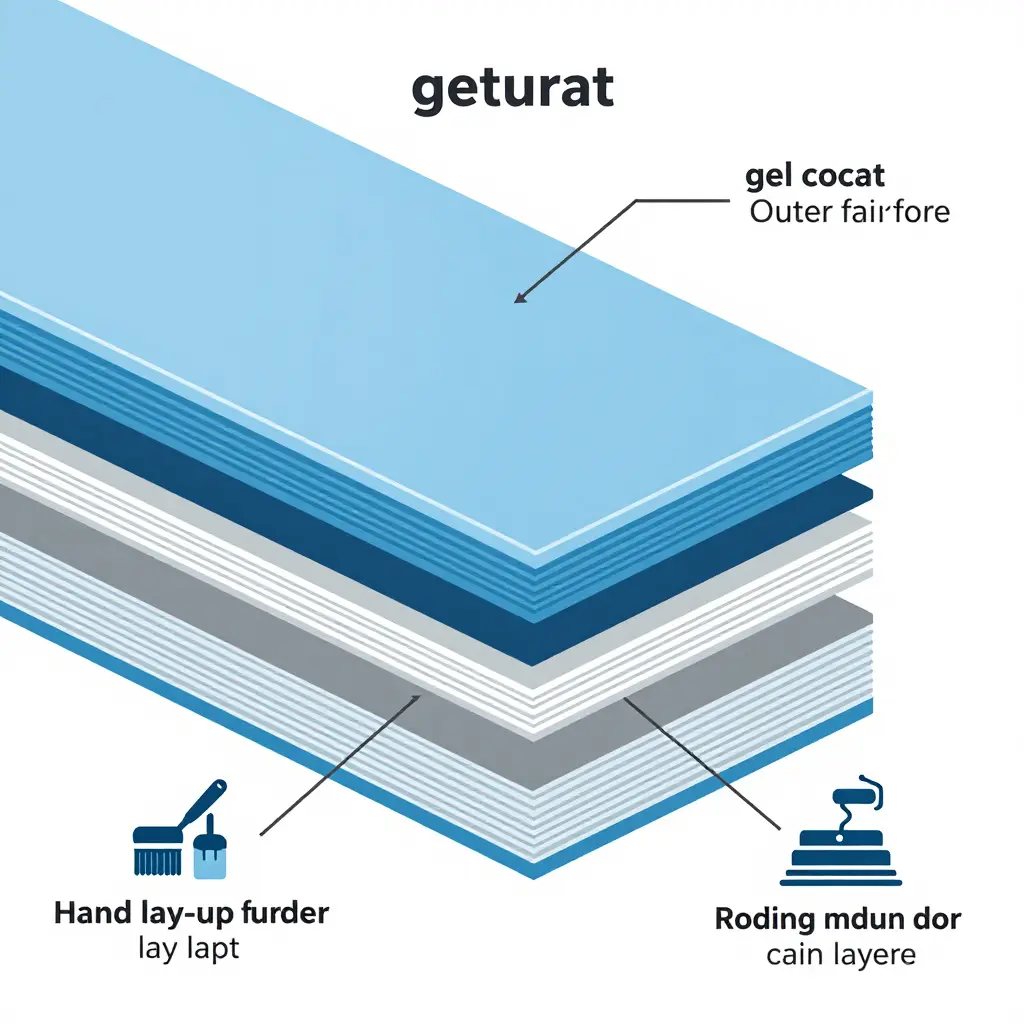
A fiberglass fairing is a laminate. Strands or woven mats of glass fiber are stacked and bonded with a liquid resin, usually polyester, vinylester, or epoxy. Each ply adds strength in the direction it is laid, while the resin holds the fibers and transfers load between them. A gel coat or primer seals the outer surface for appearance and UV resistance.
How the Part Is Hand-Laid or Molded
Most fiberglass fairings are produced one of two ways. In hand lay-up, a worker lays fiber mat into a mold and saturates it with resin by brush or roller, building thickness layer by layer. In compression or resin-transfer molding, fibers and resin are formed under pressure into a denser, more consistent shell. Either method yields a single rigid form, not a flexible skin.
A Rigid, Stiff Nature
Once cured, fiberglass is notably stiff. It resists flexing and holds its molded shape under load, which gives fiberglass fairings a solid, planted feel on the bike. Stiffness defines the material and explains how the panels behave in a slide.
How Rigidity Spreads and Absorbs Impact Forces
Because the shell is stiff, it spreads impact energy over a wide area instead of bending at one point. In a slide, force travels through the laminate and out into the surrounding structure, which limits concentrated damage at the contact patch. The trade-off is that a rigid material absorbs little energy by flexing. Past its limit, fiberglass tends to crack, craze, or shatter rather than deform and spring back. Its rigidity spreads force and holds shape; it does not stretch to soak up energy.
The table below compares the two across the attributes that matter most when your bike goes down in a low side.
| Attribute | ABS Fairings | Fiberglass Fairings |
|---|---|---|
| Material type | Injection-molded thermoplastic | Hand-laid glass fiber with resin matrix |
| Flexibility | High – flexes and rebounds on impact | Low – rigid and largely unforgiving |
| Impact behavior | Bends, springs back, resists cracking | Cracks or shatters on sharp contact |
| Abrasion resistance | Good, but can gouge and scuff deeply | Excellent, wears down slowly when sliding |
| Repairability | Plastic-weldable; blending the finish is the hard part | Easy to sand, patch, and refinish |
| Weight | Comparable for a painted set | Often lighter with a thin layup |
| Finish quality | Smooth molded finish, ready to mount | Usually needs primer and paint; some use a gel coat |
| Typical price range | Budget to mid-tier | Mid to premium, higher for quality sets |
In short: ABS tends to shrug off a low side with flex and minor scuffs, while fiberglass holds up better to grinding slides but is more likely to crack and demand real repair work.
How Each Material Behaves During a Low Side
When a bike tips and the fairing grinds along the asphalt, the material’s chemistry decides the damage. ABS is a thermoplastic; fiberglass is a thermoset composite. That difference is why the same crash leaves two very different repair bills.
ABS fairings: flex, then abrade
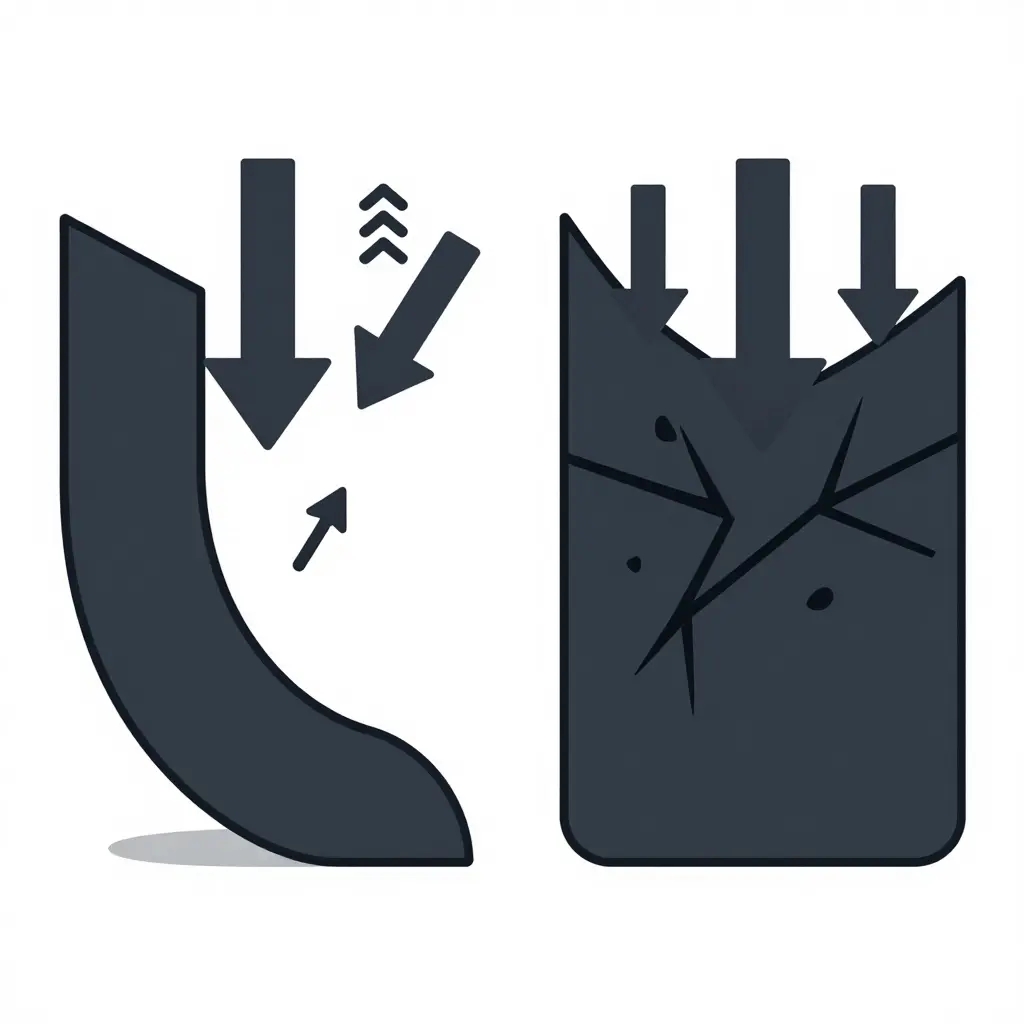
ABS bends before it breaks. In a low side the panel flexes to absorb impact energy and often springs back to roughly its original shape. Keep sliding and friction heat softens the plastic, so the edge smears, gouges, and melts instead of shattering into pieces. Cracks, when they form, usually start at the thin mounting tabs. The damage stays local, which keeps the repair small.
Fiberglass fairings: crack and delaminate
Fiberglass gives very little. Because it is rigid, impact force concentrates at the contact point, and the panel cracks, splinters, and delaminates instead of flexing. Sliding abrasion grinds through the gel coat and resin, exposing and fraying the glass fibers. Cracks travel along the weave, so damage can creep well past the initial contact patch.
What the damage means
Because ABS deforms rather than shatters, at low speed it usually survives with a scuff that can be plastic-welded or refinished. Fiberglass takes less scuffing but fails more abruptly: once the resin cracks, the panel loses stiffness and needs a resin-and-glass repair.
Side-by-side comparison
- Flex response: ABS flexes and rebounds; fiberglass stays rigid and cracks.
- Crack pattern: ABS cracks locally, often at mounting tabs; fiberglass cracks spread and delaminate.
- Abrasion behavior: ABS softens, smears, and gouges; fiberglass grinds and frays exposed fibers.
- Repair method: ABS can be plastic-welded or heat-repaired; fiberglass needs resin layup and sanding.
- Weight: fiberglass is lighter per panel; ABS is heavier but more forgiving.
- Production cost: ABS is cheaper in high-volume molding; fiberglass costs more in labor.
- Low-side survival: ABS generally survives a slow low side better; fiberglass resists minor scuffs but fails harder on impact.
Repair and Replacement of Damaged Fairings
After a low side, the question is rarely whether your fairings are damaged. It is whether they can be saved. The answer depends on what they are made of, because ABS and fiberglass behave very differently once a crack forms.
Repairing ABS Fairings
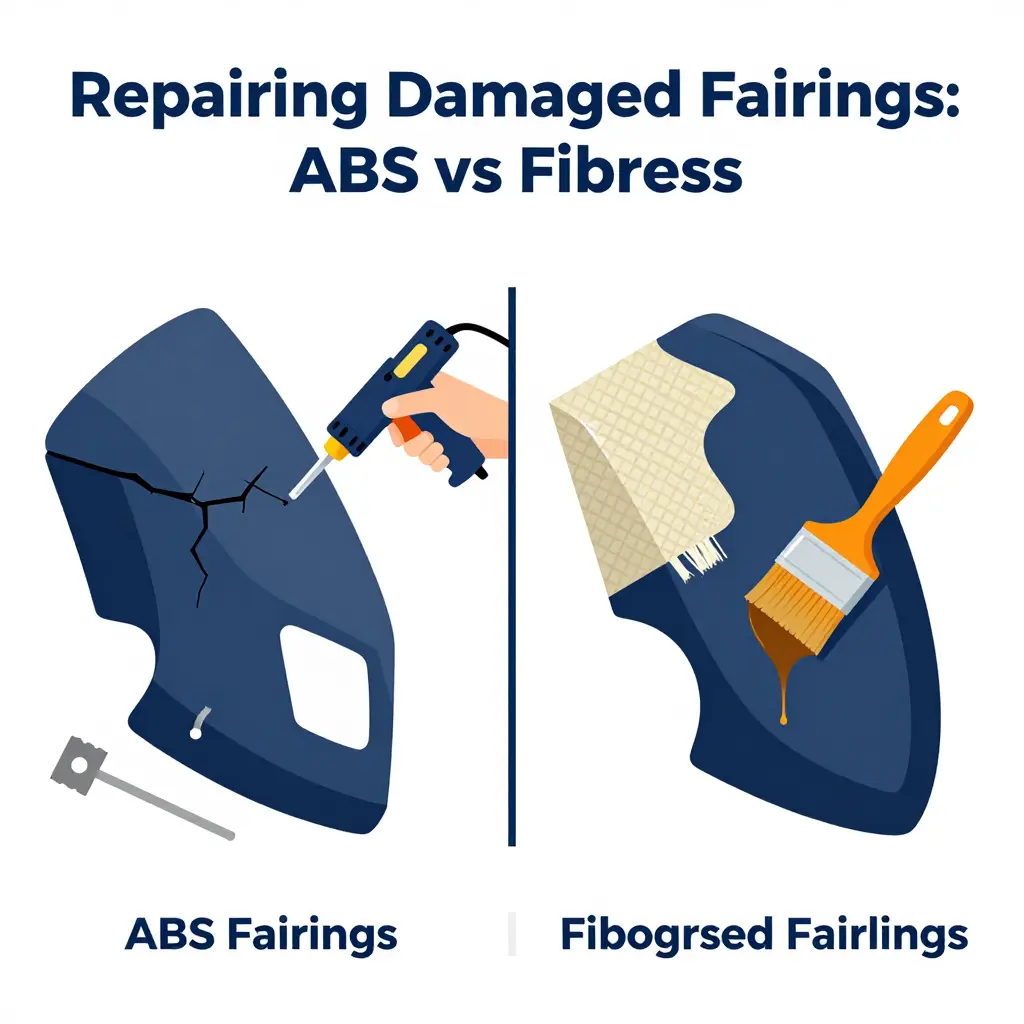
Small cracks in ABS are a manageable DIY job. Because ABS is a thermoplastic, it can be re-melted, which makes plastic welding the go-to fix. You warm the cracked edges with a plastic welder or heat tool and fuse them back together with matching ABS rods, then smooth the seam with sandpaper. The catch is the finish: a welded repair rarely blends perfectly into the surrounding molded surface, which is why larger ABS damage often ends in replacement.
For cracks that carry load, many riders reinforce the repair with heat-set metal staples or a wire mesh melted into the plastic. Heat treatment is also useful for pushed-in panels, since gentle warming lets the material relax back toward its original shape.
Repairing Fiberglass Fairings
Fiberglass behaves differently. It is a thermoset composite, so it will not melt and re-weld. The standard approach is a resin and fiberglass cloth patch: grind the damage back to clean material, lay in layers of cloth, soak them with resin, and let it cure before sanding and priming.
A patch can be strong enough to restore structural areas like mounting tabs, but it adds weight and takes time. Fiberglass also flexes less, so a hard hit often cracks a wider area than ABS would.
When Replacement Makes More Sense
Repair wins on small, isolated cracks. Replacement wins when damage is widespread or structural, or when the labor cost starts to climb toward the price of a new set.
| Situation | ABS Fairings | Fiberglass Fairings |
|---|---|---|
| Small crack or scuff | Easy plastic weld | Resin patch, more labor |
| Broken mounting tabs | Can re-weld or rebuild | Rebuild with cloth, tedious |
| Shattered into many pieces | Often replace | Usually replace |
| Pushed-in panel | Heat treatment works well | Rarely reshapes cleanly |
| Best value | Repair when minor | Replace when structural |
A fairing shattered into several pieces, or one with cracked mounting points, will usually cost more to save than to swap. A ready-to-mount replacement set avoids a costly repair that may fail again, and buying the whole set from one supplier beats hunting down individual panels.
If you are not sure which route fits your bike, ask before you start sanding. A quick message gets a fast answer, backed by a six-hour response promise, so you can decide between repairing and ordering the same day.
Quick Takeaway
- ABS flexes and takes a plastic weld, but a welded repair is hard to blend cosmetically.
- Fiberglass fairings are strong but rigid, and a resin patch sands and refinishes cleanly.
- Repair minor damage; replace anything structural, shattered, or load-bearing.
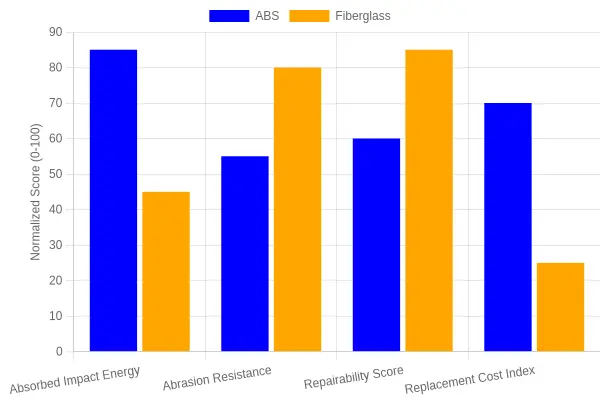
The takeaway: ABS soaks up more impact energy and costs less to replace after a low side. Fiberglass wins on abrasion resistance and a clean refinish. Which you want depends on whether you prioritize surviving the crash or fixing the bike afterward.
Cost, Value, and Long-Term Ownership
Sticker price is where the comparison starts, not where it ends. What you actually pay over time is upfront cost plus how often you replace panels plus how well each material holds up across years of riding.
Upfront Cost: ABS vs Fiberglass Fairings
Fiberglass is hand-laid and finished, so skilled labor drives the price up. ABS is injection-molded, which pushes per-unit cost down. For comparable coverage, fiberglass runs roughly 20 to 50 percent more.
Replacement Frequency
Because ABS flexes, a minor tip-over often costs you one panel. Fiberglass tends to crack or shatter, and a repair can run to several pieces. Riders who drop a bike now and then usually spend less keeping ABS road-ready.
Long-Term Ownership Value
ABS gives you predictable, low-cost replacement parts and easy repainting. Fiberglass offers a premium feel and a repair that takes resin well, but the parts and the labor both cost more. Over several years, ABS usually comes out cheaper.
| Factor | ABS | Fiberglass |
|---|---|---|
| Typical set price | Lower | Higher |
| Impact behavior | Flexes | Cracks |
| Typical repair | Replace panel | Resin patch |
| Repaint ease | Easy | Moderate |
| Long-term cost | Lower | Higher |
Price alone does not settle it. If you want a premium look, fiberglass can justify the cost; if you want durability and low running expenses, ABS usually wins the math. Either way, comparison shopping pays: summitfairings.com offers over 3,000 styles covering almost all motorcycle models at 10 to 40 percent less than other sites, which makes it easier to stay within budget without giving up fit or finish.
Reading the Decision Flow
Before you spend a dollar on replacement bodywork, it is worth seeing why one material wins for a given rider. The schematic above maps the decision as a fork: start with your top priority, follow the arrows, and land on the path that matches how you ride.
The split comes down to the factors that matter most after a low side:
- Flexibility – Do you want panels that bend on impact and spring back, or a stiff shell that holds its shape until it cracks?
- Repairability – Are you comfortable with DIY patch jobs, or do you want a material a shop can rebuild cleanly?
- Budget – Is the upfront price the deciding factor, or is long-term value worth paying for?
- Finish – Do you want a flawless show-quality surface, or a tough, forgiving skin you won’t baby?
Follow the branch that matches your answer and the diagram points to the material that fits. If you think in terms of whole-system decisions, this breakdown of smart, cost-effective transport choices makes a useful companion read.
The surrounding sections cover crash behavior, repair costs, and finish quality in more detail, so the arrows above turn into an actual purchase decision.
FAQ: ABS vs Fiberglass Fairings
These come up after almost every drop, so here are straight answers.
Which survives a low side better, ABS or fiberglass fairings?
Survival comes down to flexibility, because a low side grinds the fairing along the pavement. ABS flexes and absorbs the hit, so a slide often ends with scuffs and minor cracking instead of shattering. Fiberglass is stiffer and tends to crack or splinter under the same load. For most low sides, ABS holds up better.
Do ABS fairings crack?
Yes, but it usually bends first. In a low side the material flexes and rebounds, so damage is often limited to scratches, gouges, or a small crack at a mounting point. A severe hit can still tear a panel at a stress point. On balance, ABS resists cracking better than fiberglass.
Can fiberglass fairings be repaired?
Yes, and well. A shop can sand out the cracks, lay in new fiberglass mat, and reshape the panel with resin and filler. That is why fiberglass is popular on track bikes and customs, where panels get damaged often. The trade-off is time and skill: a good repair has to blend into the original shape.
Which is cheaper to replace?
It depends on the part as much as the material. ABS is mass produced, so individual panels are usually cheaper and easier to source. Fiberglass is often hand laid, so a new piece costs more and may come from a smaller supplier. For a fast, affordable fix, ABS usually wins.
Which offers a better finish?
Fiberglass can be sanded and painted to a glass-smooth surface, so it takes the prize. ABS arrives with a molded finish that looks good but shows small imperfections more readily. Modern ABS panels can still match OEM paint closely. If show-quality looks matter most, fiberglass has the edge.
Quick comparison at a glance
| Factor | ABS Fairings | Fiberglass Fairings |
|---|---|---|
| Low side survival | Flexes, resists cracking | Cracks or splinters |
| Repair ease | Harder to patch cleanly | Easy to patch |
| Replacement cost | Usually cheaper | Often pricier |
| Finish quality | Good, OEM-like | Smooth, show quality |
The Verdict: ABS vs Fiberglass Fairings After a Low Side
Both materials answer the survival question in their own way. ABS flexes on impact, absorbs energy, and bends rather than shatters, which makes it the forgiving choice when a bike slides down the road. Fiberglass resists abrasion better and refinishes well, but it is more brittle and often fractures on hard contact.
Neither is universally tougher. What decides it is how the damage behaves and how easily you can fix it.
If you want cheap replacement and impact tolerance, ABS is the practical pick. If you value stiffness, a clean repair, and a custom finish, fiberglass earns its higher price. The best choice comes down to budget, how you like to fix things, and how often you ride near the limit.
There is no single winner that fits every garage. ABS handles low-speed slides with less drama; fiberglass gives you more options over the long run. The right call depends on how you ride and how you like to repair.
At summitfairings.com, the aim is simple: match the right fairing material to your bike and riding style, with a six-hour response promise so a question never stalls a rebuild.