
Draft Introduction Paragraph
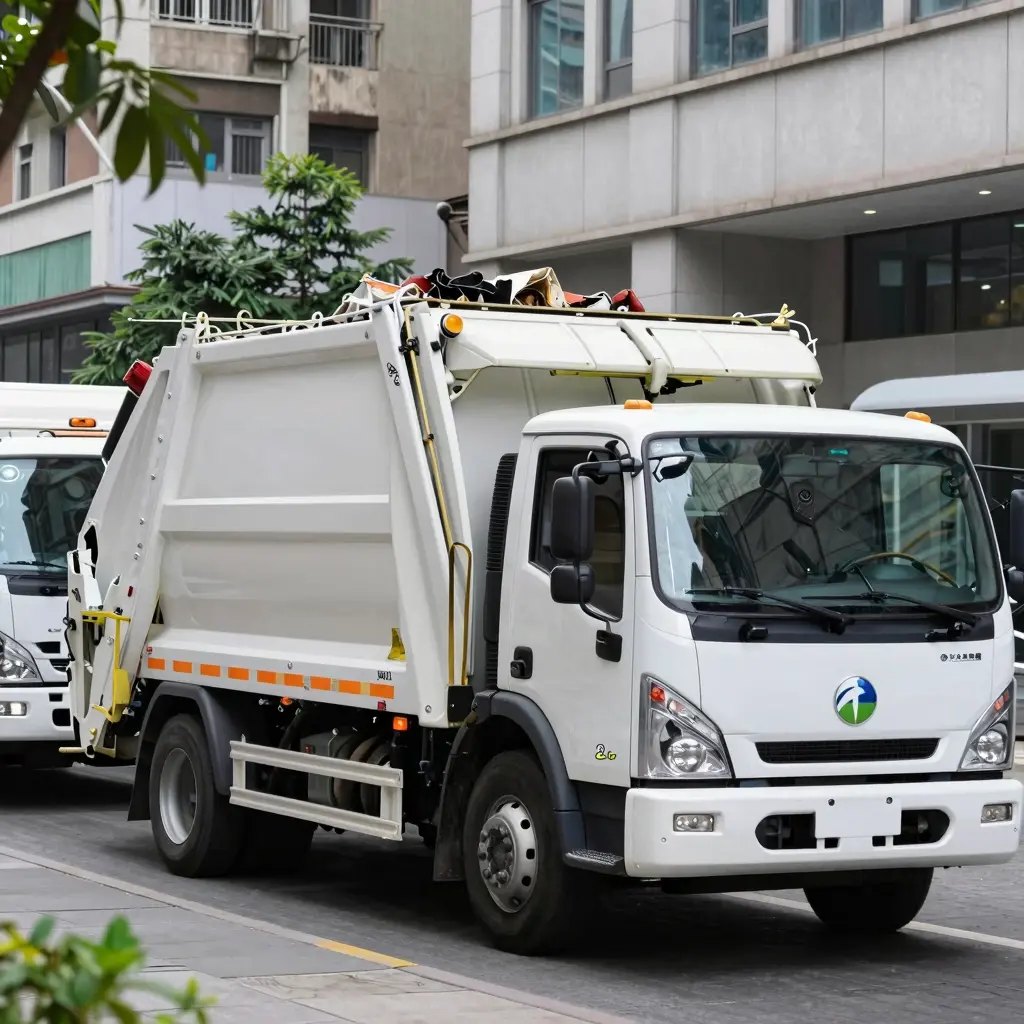
As society increasingly prioritizes sustainability, the demand for electric refuse trucks is surging to the forefront of modern waste management. These advanced vehicles are not merely a trend; they represent a significant evolution in how cities and municipalities handle waste. Business owners are keenly aware of the pressing need to reduce carbon emissions and lower operational costs, which is why many are transitioning their fleets to electric options. The benefits of electric refuse trucks extend beyond environmental advantages-they also promise greater efficiency and lower maintenance costs. In the age where sustainability should be at the core of corporate strategies, upgrading to electric refuse trucks is not just a choice; it’s a crucial step for businesses aiming to align with stringent regulations and consumer expectations for eco-friendly practices. As you explore the landscape of electric refuse truck options, consider how this transition can enhance your company’s commitment to sustainability and identify the potential for operational savings. For more insights on the future of electric trucks, learn more about this transformation in logistics.
The shift towards electric waste management solutions is not only a strategic business decision but also a necessary response to the global call for sustainability. As electric refuse trucks become more prevalent, organizations that embrace these changes will find themselves at the forefront of innovation, efficiency, and responsibility in waste management. Moreover, adopting these vehicles can significantly improve public perception of a company’s environmental initiatives, fostering a sense of community support and loyalty among customers. In this context, the upgrade to electric refuse trucks is more than simple fleet management; it’s an investment in a sustainable future.
Key Benefits of Electric Refuse Trucks Over Traditional Diesel Trucks
For business owners considering investments in electric refuse trucks wholesale, understanding their key benefits compared to traditional diesel trucks is crucial. Electric refuse trucks bring transformative advantages that can positively impact operations, costs, and environmental responsibilities.
Environmental Impact
- Zero Tailpipe Emissions: Electric refuse trucks emit no exhaust gases during operation, significantly reducing pollution and lowering greenhouse gas emissions compared to diesel trucks.
- Improved Air Quality: By cutting down particulate matter and nitrogen oxides (NOx) locally, these trucks contribute to better air quality in urban and suburban areas.
- Sustainability Goals: Transitioning to electric vehicles supports compliance with governmental regulations aimed at climate change mitigation and corporate sustainability initiatives.
Cost Savings
- Lower Operating Costs: Electric refuse trucks generally cost less to operate daily due to cheaper charging costs versus diesel fuel.
- Reduced Maintenance Expenses: With fewer moving parts, electric drivetrains require less routine maintenance, repairs, and oil changes, translating into long-term savings.
- Incentives and Grants: Many regions offer financial incentives such as tax credits, rebates, or grants to encourage businesses and municipalities to adopt electric vehicles.
Operational Efficiency
- Quieter Operation: Electric engines are significantly quieter, reducing noise pollution during early morning or nighttime waste collection.
- Enhanced Performance: Electric refuse trucks deliver instant torque and consistent power, improving operational efficiency especially in start-stop urban routes.
- Lower Downtime: Due to simpler mechanics and fewer breakdowns, electric trucks typically experience less downtime, ensuring reliable scheduling and service delivery.
Considering these advantages, investing in electric refuse trucks is not only an eco-friendly choice but also a smart business decision optimizing costs and operational efficiency.
For more insights on electric trucks and their evolving role in sustainable logistics, visit our article on electric trucks as the future of smart, sustainable, and cost-effective logistics or explore our electric garbage truck for sale Estonian for practical options available.
Word count: 408
Comparison Table of Major Electric Refuse Truck Manufacturers
Here’s a comparative overview of leading electric refuse truck manufacturers based on key criteria such as price, range, charging time, and warranty:
| Manufacturer | Price (USD) | Range (miles) | Charging Time (hours) | Warranty (years) |
|---|---|---|---|---|
| BYD | 700,000 | 150 | 3 | 5 |
| Volvo | 750,000 | 120 | 4 | 5 |
| Daimler | 800,000 | 200 | 2 | 6 |
| Oshkosh | 720,000 | 100 | 3 | 5 |
| Republic Services | 730,000 | 130 | 3 | 5 |
This table aims to assist business owners in evaluating the options available for electric refuse trucks. For further insights into the future of electric trucks, learn more about electric trucks.
Understanding these critical features will help ensure a more informed decision when considering an investment in electric refuse trucks.
Market Trends in the Electric Refuse Truck Industry
As we progress through 2023, the electric refuse truck industry is witnessing substantial growth driven by various market trends. Increasing environmental awareness, stringent regulations on emissions, and advancements in electric vehicle (EV) technology are cornerstones shaping this dynamic market.
Growth Statistics and Insights
- The U.S. electric truck market generated a revenue of approximately USD 730.6 million in 2023, with expectations for a staggering 54.3% growth rate from 2024 to 2030, reflecting a burgeoning sector poised for expansion (source).
- Another report forecasts the market size to reach USD 13.92 billion by 2030, highlighting a robust growth rate of around 36.16% annually during the forecast period (source).
- Sales data indicate that electric truck sales in the U.S. have jumped to around 1,200 units in 2023, showcasing a sharp rise from less than 0.1% of total truck sales (source).
- The International Energy Agency (IEA) reported a 35% increase in electric truck sales globally, reaching approximately 54,000 units in 2023, underscoring the global shift towards electrification in the commercial vehicle sector (source).
Implications for Business Owners
For business owners in the refuse collection sector, these trends present a compelling case for investing in electric refuse trucks. The combination of decreasing battery costs, improved technology, and potential government incentives creates an attractive financial landscape for adopting electric vehicles. Furthermore, with municipalities focusing on sustainability, transitioning to electric refuse trucks can enhance your company’s reputation and responsiveness to market demands.
As the market evolves, staying informed about technological advancements and regulatory changes will be crucial for leveraging growth opportunities in this promising sector. For further exploration of electric trucks, you can learn more about the future of electric logistics.
In conclusion, the electric refuse truck industry is set for a transformative growth trajectory, driven by innovation and a collaborative push towards sustainability. The facts and figures presented underscore the need for business owners to align their operations with this green shift, paving the way for both profitability and environmental responsibility.
Acquisition Strategies for Electric Refuse Trucks
When considering wholesale acquisition strategies for electric refuse trucks, business owners have several options to choose from, each with its own set of advantages and challenges. Two primary strategies include direct purchasing and leasing.
Direct Purchasing
Direct purchasing of electric refuse trucks can be a straightforward strategy, especially when companies are seeking to add a fleet of vehicles that they will own outright. Here are some key points to consider:
- Cost Benefits: With bulk purchasing agreements, businesses can benefit from price reductions. Many manufacturers offer discounts for large orders, which can result in significant savings.
- Long-Term Investment: Owning the vehicle can be financially advantageous in the long run, as businesses will not face ongoing monthly lease payments once the trucks are paid off. Furthermore, they can benefit from the vehicle’s resale value in the future.
- Customization: Direct purchases often allow for greater customization according to the specific operational needs of the business, ensuring that the trucks are ideally suited for their intended use.
- Tax Incentives: Depending on local or state regulations, businesses may also be eligible for tax benefits on capital purchases of electric vehicles.
- Grants and Subsidies: Many government programs offer financial assistance for purchasing electric vehicles, which can help offset costs. Always research and apply for available programs to maximize savings.
Leasing Options
Leasing is another viable option for acquiring electric refuse trucks, providing flexibility and convenience. Here’s why leasing might be the right choice:
- Lower Initial Costs: Leasing generally requires less capital up-front compared to purchasing. This makes it easier for businesses with tight budget constraints to acquire new vehicles and expand their fleet.
- Access to the Latest Technology: The ability to frequently upgrade to newer models can ensure that a business remains competitive with the latest technological advancements, efficiency, and sustainability practices.
- Maintenance Included: Many lease agreements include maintenance services, which can help reduce ongoing costs related to upkeep and repairs for electric trucks.
- Tax Advantages: Leasing may offer specific tax benefits, including the ability to deduct lease payments as a business expense. However, it’s essential to consult with a financial advisor to explore the implications in your region.
- Flexibility: Leasing provides the option to reevaluate and adjust fleet size based on changing business needs without the long-term commitment intrinsic to ownership.
Advice for Business Owners
For business owners looking to upgrade their fleets, the strategy they choose should align with their financial performance, operational needs, and long-term planning. Consider these steps:
- Evaluate Fleet Needs: Conduct a thorough analysis of the business’s needs to determine how many vehicles are required, their specifications, and overall operational budgets.
- Research: Stay informed about the latest models and capabilities of electric refuse trucks on the market. Resources like electric trucks: the future of smart sustainable and cost-effective logistics can provide deeper insights.
- Consult with Experts: Work with vehicle acquisition experts and financial analysts to explore the best fit regarding leasing or purchasing. Each option has its nuances, and professional guidance can help make an informed decision.
- Adopt Sustainable Practices: Emphasizing sustainability not only aligns with shifting market trends but can also enhance corporate image and public perception.
In adopting electric refuse trucks, businesses stand to gain operational efficiency and contribute positively to environmental goals.
Growth of Electric Refuse Trucks in the Commercial Sector
The growth of electric vehicle sales in the commercial sector, particularly electric refuse trucks, has been notable over the past five years. Assuming an annual growth rate in adoption, the data suggests a considerable increase.
Here is an illustrative chart showing the projected growth rates from 2020 to 2024:

| Year | Growth Rate |
|---|---|
| 2020 | 10% |
| 2021 | 15% |
| 2022 | 20% |
| 2023 | 23% |
| 2024 | 25% |
This data highlights the increasing adoption rates of electric refuse trucks, which is crucial for business owners considering a switch to more sustainable and cost-effective logistics options. For insights into how electric trucks are leading toward a sustainable future, learn more about electric trucks and the benefits they bring to operational efficiency.
“Electric refuse trucks represent a significant leap towards sustainable urban waste management. With advancements in battery technology and growing environmental concerns, the adoption of electric vehicles in the refuse sector not only reduces emissions but also lowers operational costs for municipalities.” – Industry Expert
Top Considerations for Business Owners Buying Electric Refuse Trucks
When it comes to investing in electric refuse trucks, business owners should keep several key factors in mind, as these vehicles represent a significant commitment both financially and operationally. Here are the top considerations:
-
Operational Costs
Electric refuse trucks generally have lower operational costs compared to their diesel counterparts. This includes reduced fuel expenses, lower maintenance costs due to fewer moving parts, and potential tax incentives that may be available for adopting electric vehicles. Evaluating the total cost of ownership is essential to ensure that the electric option is viable in the long run. -
Range and Battery Life
Consider the range of the electric truck to ensure it can handle daily routes without requiring frequent recharging. Analyzing battery lifespan and learning about the availability of charging infrastructure in your operational area is equally critical. Long-range capabilities can help mitigate operational disruptions. -
Initial Investment
The upfront cost of electric refuse trucks is generally higher than that of traditional trucks. Business owners should weigh their financing options, including leasing versus purchasing, and assess the long-term savings potential from reduced fuel and maintenance expenses over the vehicle’s lifespan. -
Environmental Impact
Municipalities are increasingly focusing on sustainable practices. Investing in electric trucks allows your business to enhance its green reputation and align with stricter emissions regulations. This can be a significant boost in competitive bidding for contracts focused on sustainability.Learn more about the future of sustainable logistics here. -
Technology and Upgrades
It’s essential to understand the technology that electric trucks incorporate. These vehicles often come with advanced features that help optimize routes and track vehicle maintenance, making them more efficient and manageable. Being open to such technological advancements can lead to better service and savings. -
Supplier Reliability
Assess the reliability of vehicle suppliers thoroughly. Ensure that they offer comprehensive warranties, good customer service, and easy access to spare parts and maintenance services. Developing a partnership with a reliable supplier can enhance the long-term performance of the fleet.Explore the market share of leading electric truck companies here. -
Regulatory Compliance
Familiarize yourself with local regulations regarding emissions and waste management. Electric refuse trucks may provide favorable compliance outcomes while helping your business to avoid penalties associated with non-compliance. Being proactive about these regulations can ensure smoother operations in heavily regulated jurisdictions.
These considerations should guide your purchasing decision, allowing you to make an informed choice about integrating electric refuse trucks into your fleet.
Conclusion and Call-to-Action
Electric refuse trucks represent a transformative shift for business owners aiming to enhance operational efficiency while embracing sustainability. These vehicles offer significant benefits including reduced emissions, lower operating costs, and compliance with increasingly stringent environmental regulations. Transitioning to electric refuse trucks not only contributes to a cleaner environment but also positions your business as a forward-thinking leader in the waste management industry. As the market for electric trucks continues to expand, equipping your fleet with these innovative vehicles ensures you stay competitive and meet the demands of a greener future.
For business owners looking to take the next step toward sustainable and cost-effective refuse collection solutions, partnering with trusted suppliers is essential. Summit Fairings stands out as a premier provider of high-quality components and accessories tailored for electric refuse trucks. Their expertise and specialized offerings help optimize truck performance and efficiency, empowering your fleet with top-tier technology.
Take action today to future-proof your waste management operations. Explore the latest advancements in electric refuse trucks and discover how Summit Fairings can help you maximize your investment. Be part of the shift toward smarter, cleaner, and more efficient refuse collection.
For more insights on the advantages of electric trucks and their role in sustainable logistics, you can learn more about the future of electric trucks and why your business should consider electric trucks.