

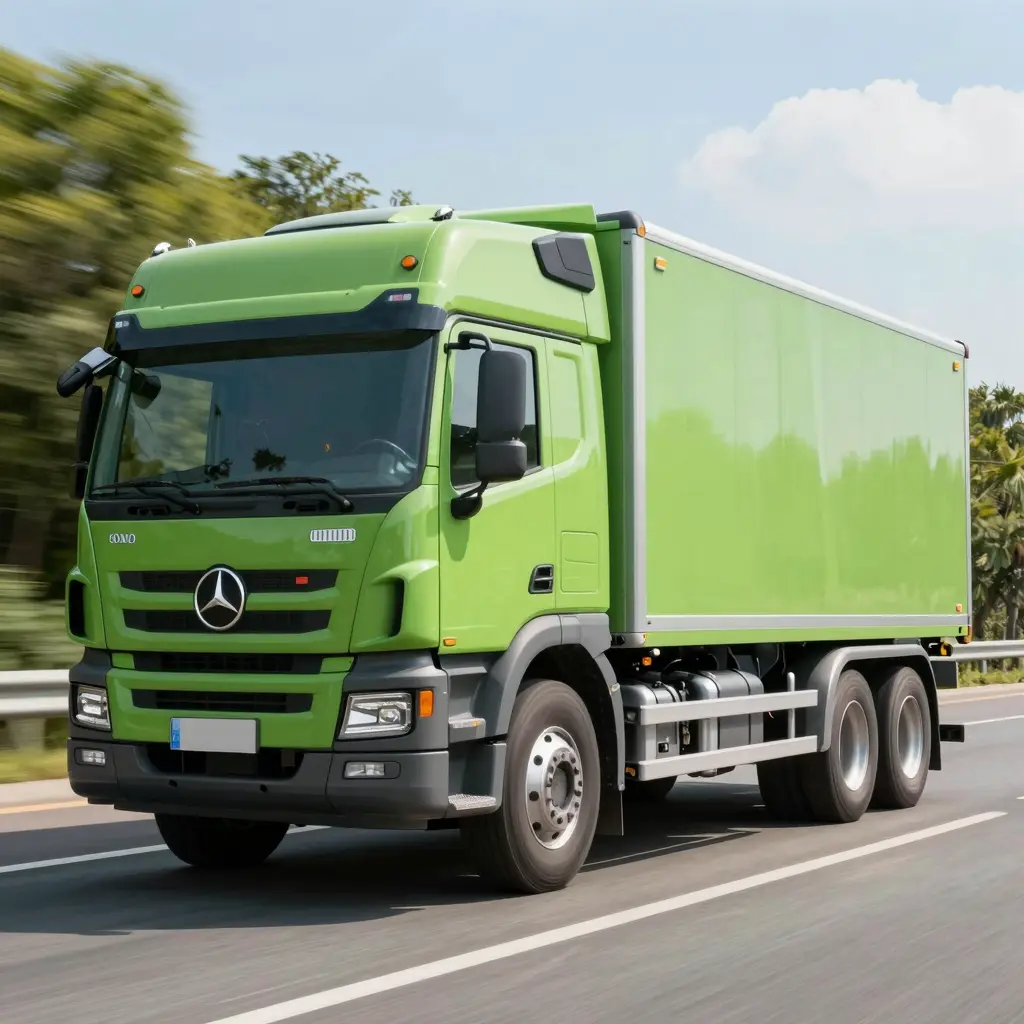
The Pioneering Role of Hydrogen Fuel Cell Technology in Trucking
In the rapidly evolving landscape of logistics, the trucking industry stands at the cusp of a revolution, driven by innovative technologies that promise not only efficiency but also sustainability. Among these, hydrogen fuel cell technology emerges as a game-changer, particularly within the realm of electric vehicles. The integration of a hydrogen fuel cell range extender electric truck offers a compelling solution to some of the most pressing challenges faced by fleet owners: range anxiety, refueling speed, and overall efficiency. Unlike traditional battery-powered electric trucks, which often require lengthy charging times and can struggle with extended distances, hydrogen fuel cell trucks present an elegant alternative. By utilizing hydrogen as a fuel source, these trucks can achieve significant ranges comparable to their diesel counterparts while simultaneously reducing carbon emissions significantly.
The global push for cleaner transportation has made hydrogen fuel cells a focal point in the conversation around sustainable logistics. As we delve deeper into this technology, it becomes clear that its potential extends far beyond mere innovation; it promises cost-effectiveness, operational efficiencies, and a pathway to meeting stringent environmental regulations. Fleet operators and business owners are increasingly drawn to the prospect of transitioning to this cleaner technology, recognizing the long-term savings and benefits it delivers. As we explore the capabilities and advantages of hydrogen fuel cell range extender electric trucks, it’s essential to understand not only the technology itself but also how it fits into the broader movement towards greener logistics. With numerous manufacturers exploring this avenue, the dialogue around hydrogen fuel cells in trucking is a pivotal one, requiring immediate attention and consideration from forward-thinking business leaders. Learn more about the future of electric trucks and how they can impact your business in the era of sustainable logistics.
By embracing advancements in hydrogen fuel cell technology, we move towards a more sustainable future where commercial transportation can lead the charge toward cleaner air and a healthier planet.
Hydrogen fuel cells are gaining traction as a promising technology for electric trucks, providing a host of advantages that make them particularly appealing for businesses in the logistics and transportation sectors. Below are some key benefits of using hydrogen fuel cells as range extenders in electric trucks:
-
Increased Range: Hydrogen fuel cell technology significantly extends the travel range of electric trucks compared to traditional battery power. This is particularly useful for long-haul routes where electric trucks might otherwise be hindered by limited battery capacity. Hydrogen trucks can travel hundreds of miles without refueling, making them ideal for commercial transportation needs.
-
Quick Refueling: One of the standout features of hydrogen fuel cells is their fast refueling capability. Unlike electric trucks that require several hours to recharge, hydrogen trucks can be fueled in just a few minutes at dedicated hydrogen stations. This efficiency is essential for businesses that depend on tight delivery schedules and cannot afford long downtimes.
-
Lower Emissions: Hydrogen fuel cells are environmentally friendly as they emit only water vapor as a byproduct. Utilizing green hydrogen produced from renewable energy sources can further enhance sustainability. By transitioning to hydrogen fuel cell trucks, companies can significantly reduce their carbon footprint and contribute to cleaner air, aligning with modern sustainability goals.
-
Enhanced Efficiency: Hydrogen fuel cells offer high energy conversion efficiency, allowing electric trucks to utilize power more effectively. The overall efficiency of using hydrogen fuel cells can be higher than traditional internal combustion engines and even some battery electric systems, leading to better performance in terms of distance and payload.
-
Lightweight Systems: Hydrogen fuel cells tend to be lighter than the equivalent battery systems that provide the same amount of energy. This reduction in weight can increase the payload capacity of trucks, driving more profitability for businesses who rely on transporting goods over long distances.
-
Energy Security: By adopting hydrogen as a fuel source, businesses can diversify their energy options, reducing dependence on fossil fuels and increasing energy security. Hydrogen can be produced locally, which can help stabilize energy prices while ensuring availability.
-
Cost-Effectiveness: While the initial investment in hydrogen fuel cell technology may be significant, the long-term operational cost can be lower. With quick refueling and higher efficiency, businesses can save on labor costs and benefit from fewer breakdowns and maintenance needs associated with traditional diesel engines.
In conclusion, incorporating hydrogen fuel cells into electric trucks offers numerous benefits that align with the goals of sustainability, efficiency, and cost-effectiveness. As the technology continues to advance and infrastructure improves, embracing hydrogen fuel cells could be a game-changer for modern transportation logistics. For those interested in exploring the future of sustainable transport, learn more about electric trucks and their impact.
This transition not only supports business growth but could also play a critical role in reducing environmental implications associated with freight transport.
“Hydrogen fuel cells represent a pivotal technology for achieving a sustainable transportation future. They offer a viable solution for applications requiring longer range and quick refueling, particularly in heavy-duty and commercial vehicles.” – Expert in Renewable Energy Technology
This quote encapsulates the significance of hydrogen fuel cells in electric vehicles, particularly for manufacturers focusing on trucks and larger transport vehicles.
For business owners considering the integration of hydrogen fuel cell technology into their fleet, it’s crucial to understand both the potential and the challenges associated with this technology.
If you’d like to explore more about the future of electric trucks or specific manufacturers in this sector, you can learn more about electric trucks.
| Technology | Efficiency | Applications in Electric Trucks | Notable Companies |
|---|---|---|---|
| Proton Exchange Membrane Fuel Cells (PEMFC) | 40-60% | Short-haul and medium-haul trucking | Hyundai, Nikola |
| Solid Oxide Fuel Cells (SOFC) | 50-65% | Long-haul and stationary applications | Bloom Energy, FuelCell Energy |
| Alkaline Fuel Cells (AFC) | 40-50% | Heavy-duty trucks, commercial vehicles | Plug Power |
| Direct Methanol Fuel Cells (DMFC) | 30-40% | Delivery and logistics trucks | Horizon Fuel Cell Technologies |
Overview of Hydrogen Fuel Cell Technologies
-
Proton Exchange Membrane Fuel Cells (PEMFC): These are widely used in transportation due to their quick start-up times and capability to operate at low temperatures, which makes them suitable for passenger cars and trucks.
-
Solid Oxide Fuel Cells (SOFC): Known for higher efficiency, these can leverage various fuels and are being explored for heavy-duty applications.
-
Alkaline Fuel Cells (AFC): Historically used in space missions, AFCs are now finding roles in commercial vehicles, benefiting from their simplicity and robustness.
-
Direct Methanol Fuel Cells (DMFC): These are less common but are being researched for lighter-weight applications and logistics purposes due to ease of fuel handling.
Applications and Market Relevance
Major manufacturers, including Hyundai and Nikola, are actively developing hydrogen fuel cell trucks to address the limitations of battery-powered vehicles, especially for long-haul transportation where refueling times and range become critical issues.
The hydrogen fuel cell market is evolving, and as the infrastructure develops, these technologies could play an increasingly significant role in sustainable logistics and transportation.
If you’re interested in exploring more about the future of electric trucks or specific manufacturers, you can learn more about electric trucks as a sustainable solution.
Market Trends for Hydrogen Fuel Cell Trucks
As the world moves towards sustainable solutions in transportation, hydrogen fuel cell trucks are emerging as a promising alternative, particularly in heavy-duty logistics. Various market trends, statistics, and technological advances paint a picture of a thriving sector positioning itself at the forefront of green transport solutions.
Growing Adoption of Hydrogen Fuel Technology
According to recent assessments,
hydrogen fuel cell trucks are gaining traction especially among logistics companies. With increasing concerns over carbon emissions, businesses are seeking cleaner alternatives to traditional diesel trucks. Several manufacturers, including major players like Toyota, Hyundai, and Mercedes-Benz, are ramping up production of hydrogen-powered vehicles. Recent initiatives, such as Germany’s Hydrogen Strategy, are bolstering investments in hydrogen technologies, significantly contributing to this growth.
Investment in Infrastructure
The lack of refueling infrastructure has historically impeded widespread adoption of hydrogen fuel cell vehicles. However, significant investments are now dedicated to developing this essential network. For instance:
- In March 2023, U.S. Senators reintroduced a bipartisan Hydrogen Infrastructure Initiative aimed at expanding hydrogen adoption across various sectors.
- The U.S. Department of Energy has announced crucial partnerships focusing on advancing hydrogen technologies, increasing the availability of refueling stations across the nation.
These developments indicate a robust backing for hydrogen technologies, alleviating range anxiety typically associated with fuel-cell vehicles.
Technological Advancements
Recent innovations in hydrogen fuel cell technology aim to improve efficiency, reduce costs, and enhance reliability. Noteworthy advancements include:
- Ongoing testing of hydrogen-powered trucks under varying conditions to demonstrate their efficacy and reliability. Trucks are currently being evaluated for performance on closed-circuit tracks, especially in winter scenarios.
- Research into hydrogen internal combustion engines (ICEs), which may provide an alternative for heavy trucks and could revolutionize this sector.
Market Growth Projections
While specific statistics are difficult to pinpoint due to search limitations, projections suggest the hydrogen fuel cell vehicle market is poised for explosive growth. By 2025, the market size could expand significantly, driven by regulatory support and technological advancements. Research indicators project market values may rise substantially if there’s continued government backing and infrastructural investments.
Here’s a bar chart visual representing the anticipated growth trajectory from 2023 to 2025:

Conclusion
Overall, the market for hydrogen fuel cell trucks is characterized by a positive outlook accelerated by growing adoption, increased investments in infrastructure, and significant technological advancements. Companies focusing on sustainability and innovation are likely to be the frontrunners in this evolving industry. For business owners considering investing in clean transportation solutions, exploring hydrogen fuel cell trucks could present lucrative opportunities. Learn more about the future of electric trucks here.
Case Studies: Businesses Using Hydrogen Fuel Cell Trucks
Hydrogen fuel cell trucks are revolutionizing the logistics and transportation sectors, showcasing a shift towards sustainable practices. Here, we examine several notable case studies that highlight real-world applications, results, and lessons learned from the implementation of hydrogen fuel cell range extender electric trucks.
1. Nikola Motors – Nikola Two
Nikola Motors is at the forefront of hydrogen fuel cell technology, aiming to develop heavy-duty trucks like the Nikola Two. This truck is specifically designed to operate on hydrogen fuel, emphasizing zero emissions and increased operational efficiency.
Outcomes and Lessons Learned:
- Infrastructure Partnerships: Nikola is focusing on building a network of hydrogen fueling stations to support the operational needs of these trucks. This connected infrastructure is paramount for wide-scale adoption.
- Market Introduction Timeline: Anticipated deployment within a few years establishes the importance of strategic planning to meet investor and customer expectations.
2. Hyundai – Xcient Fuel Cell
Hyundai launched the Xcient Fuel Cell truck in Switzerland, which has become one of the first hydrogen-powered heavy-duty trucks available commercially. Each truck is intended to significantly reduce CO2 emissions, contributing to environmental goals.
Results Observed:
- CO2 Reduction: Hyundai projects a reduction of over 1,000 tons of CO2 emissions per truck annually, indicating a substantial environmental impact.
- Investment in Sustainable Supply Chain: The project highlights Hyundai’s commitment to a greener logistics sector, providing insights for other businesses on the operational benefits of green technologies.
3. Toyota and Hino – Hino Profia
The collaboration between Toyota and Hino resulted in the development of the Hino Profia, a hydrogen fuel cell truck targeting urban logistics.
Key Insights:
- Combining Expertise: Toyota’s advanced hydrogen technology paired with Hino’s manufacturing experience marks a significant progress in sustainable transportation.
- Focus on Urban Areas: The emphasis on urban supply chains reflects the shift in logistics needs, showcasing how hydrogen fuel cells can meet city-based transport challenges.
4. Daimler – GenH2 Truck
Daimler’s GenH2 Truck exemplifies an innovative approach to long-distance transport using hydrogen technology. The company plans to scale production by 2025, indicating confidence in the technology’s viability.
Lessons Learned:
- Long-Distance Capability: The GenH2 Truck aims to support extensive travel ranges, expanding the operational potential of hydrogen fuel cell vehicles in freight transport.
- Mass Production Plans: The timeline for production emphasizes the importance of research and development investment in advancing hydrogen technologies within the automotive sector.
Conclusion
These case studies underline the collaborative efforts of leading automakers and technology providers in driving the adoption of hydrogen fuel cells in the trucking industry. The focus on sustainability and the reduction of emissions is key to transforming the transportation landscape. For more on the future of electric trucks and sustainable logistics, learn more here. The journey towards a hydrogen-powered transportation network remains a work in progress but promises significant benefits for businesses willing to embrace this innovation.
Hydrogen Fuel Cell Vehicle Adoption Projections
The global hydrogen fuel cell vehicle market is poised for substantial growth in the coming decade. The following chart illustrates the projected market value for hydrogen fuel cell vehicles from 2023 to 2035, highlighting key data points:
| Year | Projected Market Value (in Billion USD) |
|---|---|
| 2023 | 1.3 |
| 2025 | 3.55 |
| 2030 | 9.126 |
| 2033 | 46.4 |
| 2035 | 205.5 |

This rapid increase reflects a compound annual growth rate (CAGR) of approximately 50%. The market was valued at $1.3 billion in 2023 and is expected to reach around $205.5 billion by 2035. This growth trend is driven by rising fuel prices, increasing environmental awareness, and significant technological advancements in hydrogen fuel cell technologies.
As business owners and industry stakeholders, staying ahead of these trends is essential. Ensuring that your fleet incorporates sustainable technologies like hydrogen fuel cells will not only enhance your competitive edge but also align with the global push towards cleaner energy solutions. Learn more about the future of electric trucks to explore related advancements in the sector.
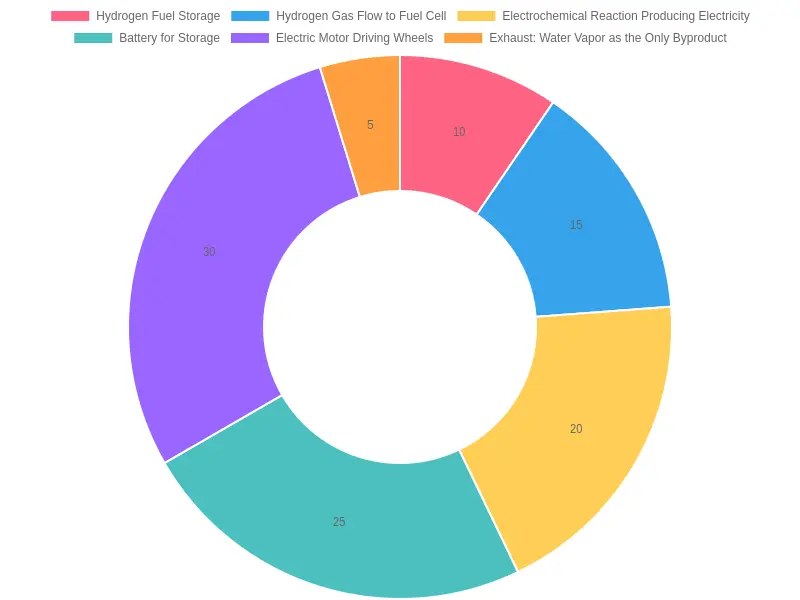
In summary, hydrogen fuel cells present a promising solution for the electric truck industry, especially for business owners seeking sustainable and efficient transportation alternatives. One of the most significant advantages of hydrogen fuel cells is their environmental benefits. With zero emissions at the point of use, they contribute to cleaner air and align with global initiatives to reduce greenhouse gas emissions. As the world moves towards greener technologies, adopting hydrogen fuel cells can not only enhance a company’s sustainability credentials but also meet increasing regulatory requirements for emissions.
Another compelling benefit is the efficiency and range hydrogen fuel cells offer. They can provide extended ranges and faster refueling times compared to traditional battery electric vehicles (BEVs). This characteristic is particularly crucial for long-haul trucking, where minimizing downtime is essential for productivity. Fleet operators can significantly address range anxiety by integrating hydrogen fuel cells into their vehicles, ensuring they are always ready for the next job.
Looking toward the future, the market potential for hydrogen fuel cells is expanding rapidly. Businesses and industries are witnessing a surge in investment from major automotive manufacturers such as Daimler and Toyota, who recognize the importance of this technology in the commercial vehicle sector. Government initiatives and supportive policies worldwide are further fostering the development of hydrogen infrastructure, paving the way for broader adoption.
Moreover, technological advancements continue to enhance the performance and reduce the costs associated with hydrogen fuel cells, making them increasingly competitive with battery solutions. The push for renewable production methods, particularly green hydrogen from renewable energy sources, adds another layer of sustainability. This aligns with the ongoing global shift towards a clean energy economy.
However, challenges remain, including production costs and infrastructure development that must be addressed to improve public acceptance and increase adoption rates. Nonetheless, the potential benefits far outweigh these obstacles.
If you are a business owner looking to optimize your operations while embracing sustainable modalities, considering the integration of hydrogen fuel cells into your fleet could be a strategic step forward. This technology not only offers a promising solution for today’s challenges in the transportation sector but also positions your business for future growth and innovation. To explore further, learn more about the future of electric trucks, and stay ahead of the curve in adopting cutting-edge sustainable practices.
Embracing hydrogen fuel cell technology can truly transform your business operations while contributing positively to environmental sustainability. Now is the time to be proactive about this exciting advancement in transportation technology.
The Rise of Hydrogen Fuel Cell Technology in Electric Trucks
Hydrogen fuel cell technology is making waves in the commercial trucking industry, offering innovative solutions for sustainability. This technology generates electricity through a chemical reaction between hydrogen and oxygen, producing only water vapor as a byproduct. It’s increasingly seen as a viable alternative to traditional fossil fuels and battery electric vehicles, especially for long-haul transportation.
Key Trends in 2023
- Sustainability Focus: Major truck manufacturers like Volvo and Toyota have pioneered the development of hydrogen fuel cell electric trucks, emphasizing a dedicated effort towards reducing CO2 emissions in logistics.
- Infrastructure Development: Investment and collaboration are crucial for enhancing the hydrogen fueling infrastructure, and governments are starting to support initiatives that facilitate this growth.
- Enhanced Efficiency: Compared to their battery counterparts, hydrogen fuel cells offer quicker refueling times – typically under 15 minutes – and deliver significantly longer ranges, making them particularly suitable for extensive freight operations.
Benefits of Hydrogen Fuel Cells for Commercial Vehicles
- Environmental Impact: The clean nature of hydrogen fuel cells leads to substantial reductions in greenhouse gases compared to diesel engines.
- Operational Efficiency: Shorter refueling times and long driving ranges can align more closely with the operational needs of freight transportation, allowing for less downtime.
- Energy Security: Utilizing hydrogen could enhance energy independence and support economic growth by generating new jobs related to infrastructure development.
As business owners, innovation is key not only in operations but also in infrastructure and product offerings. Just as hydrogen fuel cells represent a shift towards sustainable technology in the trucking industry, businesses have opportunities to innovate and customize their services and products to meet changing market demands.
Call to Action: Summit Fairings
To encapsulate the spirit of innovation that hydrogen fuel technology embodies, consider how your own business can lead in its field. Explore Summit Fairings, where innovation meets customization in motorcycle fairings. Just as hydrogen fuel cells are revolutionizing the way we power our trucks, Summit Fairings is transforming the motorcycle industry with unique designs tailored to your vision. Check out their offerings and see how you can kickstart your journey towards excellence today!
For a deeper understanding of this evolving industry, visit our blog on electric trucks to learn more about the future of smart, sustainable logistics.