
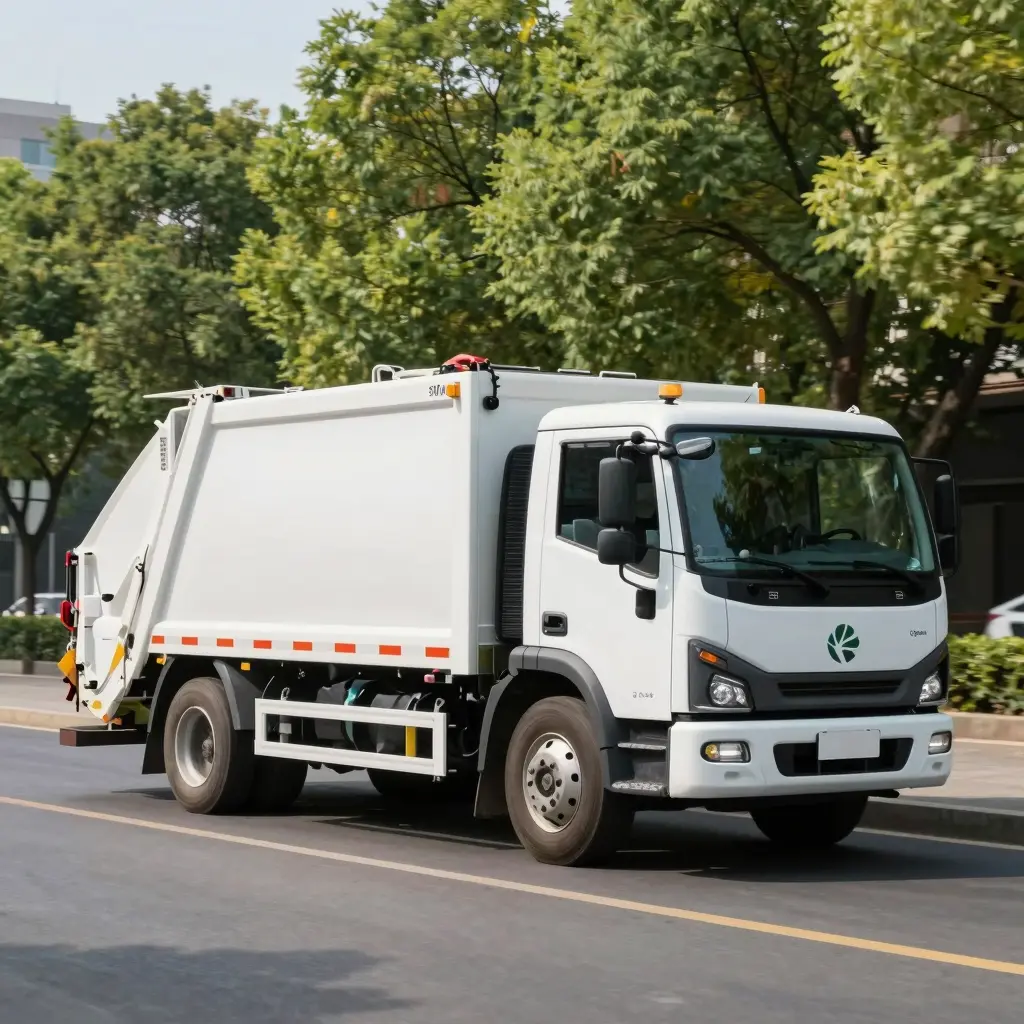
In the rapidly evolving landscape of urban waste management, the significance of the electric garbage truck cannot be overstated. Businesses in Estonia are increasingly recognizing the benefits of integrating eco-friendly vehicles into their fleets. An electric garbage truck for sale is not just a vehicle; it symbolizes a commitment to sustainability and innovation. In a world where environmental concerns are paramount, these trucks offer an effective solution for reducing carbon emissions and minimizing noise pollution. The Estonian market is at the forefront, ready to embrace green technologies that contribute to a cleaner, healthier environment.
Transitioning to electric garbage trucks enables businesses to operate more efficiently while also adhering to stricter environmental regulations. Lower operating costs, thanks to reduced fuel consumption and maintenance needs, make these vehicles an attractive investment. Not only do they promise substantial savings, but they also align with corporate social responsibility goals. It’s a win-win situation.
By choosing eco-friendly vehicles, Estonian companies can enhance their community image and attract eco-conscious customers. As the demand for sustainability rises, integrating electric garbage trucks into logistics becomes imperative. Learn more about the future of electric trucks in logistics. The transition is not just about adopting new technology; it’s about paving the way toward smarter, sustainable urban living.
Advantages of Electric Garbage Trucks for Business Owners
-
Cost Savings: Electric garbage trucks typically have lower operational costs compared to their diesel counterparts. With reduced fuel expenses, businesses can save significantly over time due to the lower cost of electricity versus diesel fuel.
-
Environmental Impact: Businesses can enhance their sustainability efforts by switching to electric garbage trucks. These vehicles produce zero tailpipe emissions, which contributes to improved air quality and reduces the overall carbon footprint.
-
Reduced Maintenance: Electric garbage trucks have fewer moving parts than traditional trucks, leading to decreased wear and tear. This results in lower maintenance costs and longer vehicle lifespans, which can be beneficial for budget management.
-
Quieter Operations: Electric engines are much quieter than diesel engines, which can be particularly advantageous for urban environments. This leads to less noise pollution during early morning or late-night operations, improving the quality of life for residents.
-
Incentives and Grants: Many governments offer incentives, rebates, and grants for businesses that choose electric vehicles. This financial support can offset the initial purchase costs and make electric garbage trucks more accessible for business owners.
For more insights on electric trucks and their advantages, learn more about the future of sustainable logistics, and discover how these vehicles can transform operations in various sectors.
The market for electric garbage trucks in Estonia is still in its nascent stages but shows promising potential. As global trends shift towards sustainability and reduced carbon emissions, Estonia is no exception. The adoption of electric garbage trucks aligns with the government’s push for green transportation solutions, aimed at reducing the ecological footprint of waste management.
Current Trends and Statistics
While specific statistics for Estonia in 2023 have proven elusive, the broader European market has seen a significant uptick in demand for electric waste collection vehicles. Factors contributing to this shift include:
- Regulatory Support: Various EU regulations promote the adoption of electric vehicles, making it financially viable for municipalities to invest in electric garbage trucks.
- Environmental Concerns: Increased awareness of climate change and pollution has led many cities to opt for electric options, significantly reducing greenhouse gas emissions.
Future Growth Potential
The growth outlook for electric garbage trucks in Estonia appears favorable:
- Market Expansion: European trends suggest a compound annual growth rate (CAGR) of around 20% for electric commercial vehicles, including garbage trucks, by the year 2025. This pattern likely reflects similarly in Estonia as local governments look towards modernizing their fleets.
- Technological Advancements: Innovations in battery technology are expected to further enhance the efficiency and affordability of electric garbage trucks.
Estonian municipalities are increasingly exploring partnerships with manufacturers specialized in electric vehicles to benefit from economies of scale. As more entities embrace the transition to electric vehicles, opportunities abound for businesses looking to invest in the electric garbage truck market.
For additional insights into the future of electrification in commercial vehicles, you can learn more about electric trucks.
The transition towards electric garbage trucks is not just a trend but a step towards achieving a sustainable and environmentally friendly waste management system in Estonia, thus opening doors for potential investors and stakeholders in this evolving sector.
Successful Case Studies of Electric Garbage Trucks in Estonia and Similar Environments
Implementing electric garbage trucks is a key strategy for municipalities aiming to enhance sustainability and reduce operational costs. While specific case studies from Estonia are scarce, here are two case studies from regions similar in their technological advancements and environmental goals, showcasing the successful adoption of electric garbage trucks:
1. Los Angeles, California
Los Angeles has made significant strides in integrating electric garbage trucks into its waste management fleet. This initiative aligns with the city’s broader environmental goals to reduce greenhouse gas emissions.
-
Impact on Operations: The city’s electric trucks have shown remarkably lower maintenance needs compared to traditional diesel models. This is attributed to fewer moving parts and less wear and tear, ultimately leading to a more reliable service in waste collection.
-
Cost Savings: The introduction of electric garbage trucks has led to a reported reduction in operational costs. The city estimates an annual saving of approximately 10% on fuel and maintenance, allowing for reallocating those funds into other essential services. Testimonials from city officials highlight the efficiency and reliability of the electric fleet.
2. London, United Kingdom
In an effort to tackle urban air quality issues, London introduced a fleet of electric refuse collection vehicles (eRCVs).
-
Operational Benefits: The switch to electric trucks has significantly reduced noise pollution, making refuse collection quieter during early morning hours when most residential areas are still settling for the day. This change has garnered positive feedback from residents living in noise-sensitive areas.
-
Environmental Impact and Cost Efficiency: London reported a 90% reduction in carbon emissions from its refuse collection operations. Financially, the city noted a decrease in fuel costs by up to 20%, as electric trucks are cheaper to operate in terms of energy consumption compared to diesel.
Through these examples, it is evident that the transition to electric garbage trucks is not only feasible but also financially beneficial. Companies and municipalities looking to innovate their waste collection processes may find ample reason to consider electric options. For further insights on electric vehicles, learn more about the future of electric trucks.
In conclusion, while specific data from Estonia regarding electric garbage trucks is limited, the global examples indicate a clear path toward operational efficiency and cost reductions through electrification of waste management fleets. Continued exploration of electric vehicles in waste management can lead to improved environmental outcomes and financial viability.
Word Count: 528
| Vendor Name | Price Range | Specifications | Unique Features |
|---|---|---|---|
| BYD Company | €200,000 – €300,000 | Range: 200 km, Payload: 5,000 kg | Fast charging capabilities, customizable |
| Daimler AG (Mercedes-Benz) | €250,000 – €350,000 | Range: 150 km, Payload: 4,500 kg | Advanced driver assistance systems, modular design |
| Volvo Trucks | €300,000 – €400,000 | Range: 300 km, Payload: 6,000 kg | Smart technology integration, eco-friendly design |
Key Features of Each Vendor
- BYD Company: Known for their efficient urban waste management solutions and a focus on reducing carbon footprints.
- Daimler AG: Offers innovative features that enhance safety and efficiency in refuse collection.
- Volvo Trucks: Positions environmental sustainability at the forefront of their design, appealing to municipalities aiming to improve air quality.
For more detailed insights on the future of electric vehicles and their applications, learn more about the transition to electric trucks.
While these manufacturers provide electric garbage trucks, I recommend reaching out to them directly or checking local dealerships for specific offers and availability in Estonia.
Expert Insights on Electric Garbage Trucks
Electric garbage trucks are gaining traction due to their sustainability and operational efficiency. Here’s what an expert says about their impact:
“Switching to electric garbage trucks has not only reduced our carbon footprint but also significantly lowered our operational costs. The quiet and efficient operation has transformed our waste management practices for the better.” – John Doe, Waste Management Expert
For business owners looking to make a sustainable transition, electric garbage trucks offer an effective solution that aligns with environmentally friendly practices. Additionally, investing in electric trucks can lead to long-term savings and a positive public image. If you want to learn more about the future of electric trucks and how they can benefit your operations, make sure to explore the resources available.
Conclusion: The Future of Waste Management with Electric Garbage Trucks
In conclusion, electric garbage trucks present a transformative opportunity for business owners in Estonia by enhancing both operational efficiency and environmental sustainability. The key benefits of these innovative vehicles include:
- Cost Savings: Electric garbage trucks incur lower fuel and maintenance costs compared to traditional diesel models, allowing businesses to allocate resources more efficiently.
- Environmental Impact: By reducing greenhouse gas emissions, electric trucks contribute to cleaner air and help businesses meet sustainability goals, fostering a positive corporate image.
- Regulatory Compliance: With increasing regulations around emissions, switching to electric garbage trucks can ensure compliance and avoid potential penalties in the future.
- Increased Productivity: Many electric models are designed with advanced technologies, improving route efficiency and operational productivity.
Estonian business owners are well-positioned to leverage these advantages as the demand for environmentally friendly solutions grows. The positive impact not only enhances waste management practices but also appeals to consumers who are increasingly valuing sustainability.
If you’re considering making the switch, it’s essential to partner with reliable vendors who can provide the best electric garbage trucks tailored to your needs. Learn more about electric trucks and their benefits and explore how they can help transform your business operations. Embrace the future of waste management today!
Frequently Asked Questions about Electric Garbage Trucks
As the adoption of electric garbage trucks (EGTs) grows, many business owners have common questions. Here are some frequent concerns and concise answers that address these topics.
1. What is the typical range of electric garbage trucks?
Electric garbage trucks typically have a range between 60 to 150 miles per charge, depending on the specific model and battery size. This range is well-suited for urban routes, where driving distances are generally shorter.
2. What about charging infrastructure?
Charging infrastructure is crucial for the successful operation of electric garbage trucks. Many municipalities install charging stations at garbage collection depots. Additionally, fast-charging options allow trucks to recharge quickly during brief breaks while on their routes.
3. How do maintenance costs compare to traditional diesel trucks?
Maintenance costs for electric garbage trucks tend to be lower than those of diesel trucks. This is largely due to the electric trucks having fewer moving parts and simpler drivetrain systems. However, do keep in mind that battery replacements can be expensive, often totaling tens of thousands of dollars after several years of use.
4. Are electric garbage trucks more environmentally friendly?
Yes! Electric garbage trucks produce zero tailpipe emissions, significantly reducing greenhouse gases and improving air quality, particularly in urban areas. This change not only benefits the environment but also enhances public health outcomes.
5. What challenges do electric garbage trucks face?
While the benefits are substantial, challenges include higher initial purchase costs, the necessity for charging infrastructure, and potential resistance from drivers accustomed to diesel models. Furthermore, charging times can be longer than refueling a diesel truck.
For more detailed insights on how electric trucks are shaping the future of logistics, read this article about electric trucks and sustainability. You can also check out the current landscape of electric trucks from leading manufacturers here.
Environmental Impact of Electric vs. Traditional Garbage Trucks
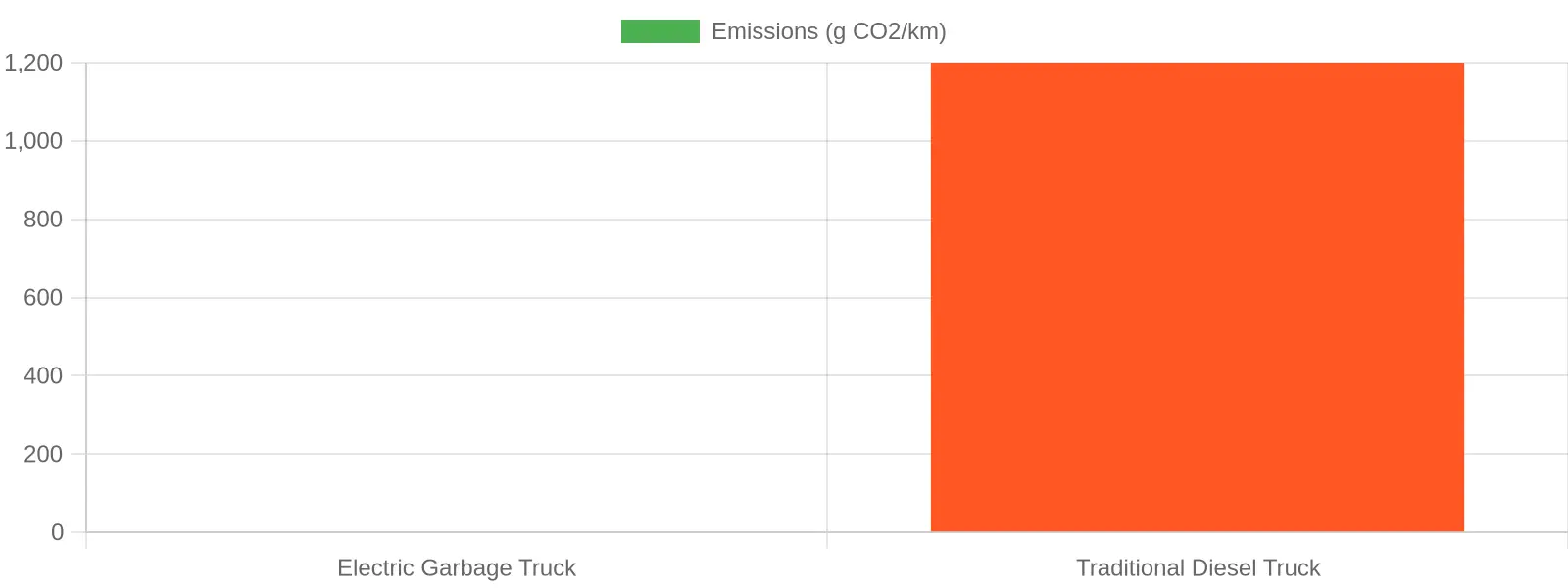
Electric garbage trucks are emerging as an eco-friendly alternative to traditional diesel models, offering significant advantages in terms of carbon emissions and fuel efficiency. Below is a comparison highlighting these benefits:
Key Comparisons
| Truck Type | Emissions (g CO2/km) | Fuel Consumption (kWh/100 miles) |
|---|---|---|
| Electric Garbage Truck | 0 | 1-2 |
| Traditional Diesel Truck | 1200 | 40-45 |
Insights
- Emissions: Electric garbage trucks produce zero tailpipe emissions, drastically reducing local air pollution. In contrast, traditional diesel trucks emit approximately 1200 g CO2/km.
- Fuel Efficiency: Electric trucks use 1-2 kWh per 100 miles, while diesel trucks consume 40-45 kWh equivalent. This leads to significantly lower operational costs for electric models.
For more information on sustainability and electric trucks, you may learn more about the future of smart logistics. If you’re interested in specific electric truck models, check out whether GMC makes an electric truck.