
As the world shifts toward sustainable solutions, the electric truck market has emerged as a significant player in the transportation sector, promising not only technological advancements but also an eco-friendly approach to logistics. As of 2026, leading companies such as Tesla, Rivian, and Volvo are making substantial strides in electric truck innovation, each vying for a share of the rapidly growing market. Electric trucks are projected to disrupt traditional trucking by offering lower operational costs and reduced emissions, making them appealing to business owners dedicated to sustainable practices. The significance of market share in this evolving landscape cannot be overstated; it reflects the competitive dynamics and consumer preferences driving the industry forward. In this article, we will delve into the key players and their respective market shares, shedding light on the future of smart, sustainable, and cost-effective logistics and the transformative impact electric trucks are set to have on the global economy.
Leading Electric Truck Companies by Market Share for 2026
In 2026, the electric truck market is projected to be highly competitive with several key players capturing significant market shares. Here’s a table summarizing the leading electric truck companies, their market share, and notable innovations or strengths:
| Company | Projected Market Share (%) | Innovations/Strong Points |
|---|---|---|
| Volvo Group | 20 | Advanced ergonomic designs and robust safety features. |
| BYD | 25 | Strong battery technology and extensive global manufacturing network. |
| Daimler | 15 | Cutting-edge autonomous driving capabilities. |
| Ford | 10 | Focus on electric vehicle integration with commercial fleets. |
| Tesla | 30 | Leading in battery range and charging infrastructure. |
Overview of Innovations
- Volvo Group is focusing on ergonomic designs to enhance driver comfort and safety, aligning with industry demands for sustainable and safe transport solutions.
- BYD excels with its battery technology, which allows for longer ranges and faster charging, making it a favorite among logistics companies needing reliable transportation.
- Daimler is leveraging autonomous technologies to improve efficiency and safety, working towards a future where trucks can operate with minimal human intervention.
- Ford aims to integrate electric vehicles within existing commercial fleets, making it easier for businesses to transition to electric solutions.
- Tesla maintains a leadership position in the market due to its innovative battery technologies and extensive supercharger network, which supports long-distance travel for electric trucks.
For more detailed insights on the future of electric trucks, you can learn more about the topic after exploring the projected market dynamics.
Electric trucks are increasingly becoming a critical component in the transportation sector, primarily due to their potential to significantly reduce carbon footprints and contribute to sustainable transportation solutions. As climate concerns intensify, businesses face mounting pressure to adopt greener practices. Electric trucks offer a compelling alternative to traditional diesel-powered vehicles, making them an appealing option for modern logistics and supply chain operations.
-
Reduction of Greenhouse Gas Emissions: Electric trucks produce zero tailpipe emissions, which means they can directly contribute to lowering the overall greenhouse gas emissions associated with freight transport. Businesses are prioritizing electric trucks not just for regulatory compliance but as part of corporate sustainability initiatives. According to research, transitioning to electric trucks could reduce annual carbon emissions in the transportation sector by millions of tons, significantly mitigating climate change impacts.
-
Cost Efficiency: While the initial investment in electric trucks is often perceived as high, lower operational costs can make them financially attractive in the long run. Businesses can benefit from reduced fuel costs – electric vehicles can be cheaper to operate than their diesel counterparts. Maintenance costs also tend to be lower due to fewer moving parts and simplification of the mechanical systems involved. Moreover, government incentives for electric vehicle adoption can further enhance their financial feasibility.
-
Technological Advancements: Electric truck technology is evolving rapidly, with advancements in battery capacity, charging infrastructure, and vehicle performance making the utilization of electric trucks in various sectors increasingly practical. Companies are noting improved range and efficiency, with some electric trucks now able to cover over 300 miles on a single charge, suitable for many regional routes.
-
Public Image and Consumer Demand: As consumers become more eco-conscious, businesses are recognizing the importance of sustainability in their operations. The usage of electric trucks can significantly enhance a company’s public image, appealing to a growing segment of environmentally aware customers and stakeholders.
Electric trucks thus represent not only a solution for reducing environmental impact but also an opportunity for businesses to lead the way in sustainable logistics. As a result, the landscape of transportation is shifting, and companies that adapt to these changes early on can gain competitive advantages.
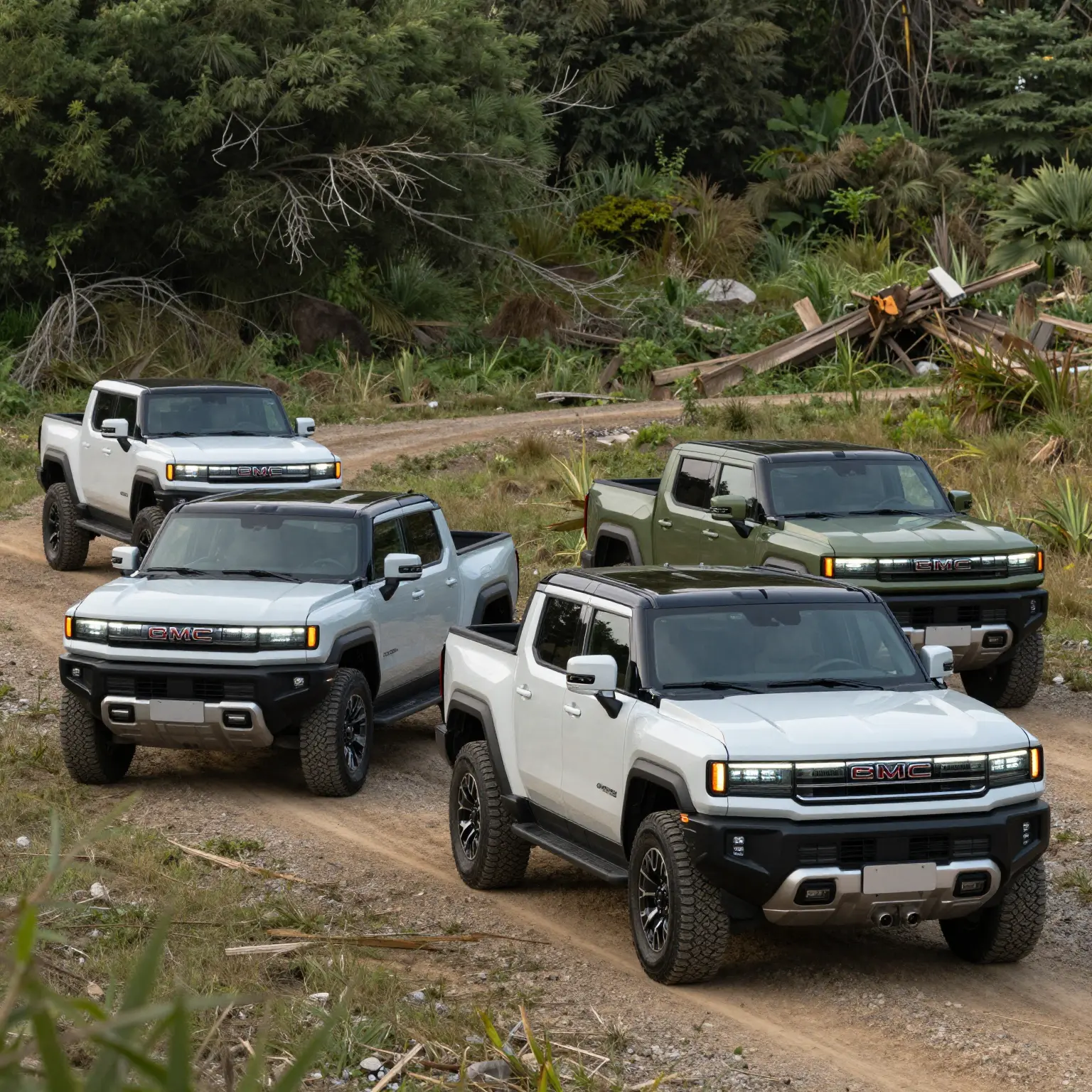
For further insights into how electric trucks are shaping the future of logistics, explore more about electric trucks. Additionally, learn whether traditional manufacturers like GMC are venturing into the electric truck space, as explored here.
The transition to electric trucks is not just an environmental imperative; it’s a strategic business move that can redefine operational efficiencies and boost corporate reputation in an era increasingly focused on sustainability.
With this shift, businesses are increasingly embracing electric trucks, forging a path towards more sustainable and responsible transportation practices.
Electric Truck Adoption: User Rates and Future Projections
The electric truck market is witnessing significant growth, driven primarily by increasing environmental regulations and evolving consumer preferences. Below are key statistics and projections relevant to business owners:
Current Adoption Rates
- Sales Growth: In 2023, electric truck sales in the United States increased by 50%, indicating a strong market interest among businesses looking to transition to electric vehicles (EVs).
- Market Revenue: The U.S. electric truck industry generated approximately USD 730.6 million in revenue in 2023, projecting a robust annual growth rate of 54.3% from 2024 to 2030.
Future Projections
- Market Share: By 2026, the Battery Electric Vehicle (BEV) segment is expected to capture around 57.30% of the electric truck market share globally, particularly in key markets like the U.S., China, and Europe. This shift reflects the increasing availability of electric options and the decreasing costs associated with electric vehicle technology.
- Long-term Growth: The overall adoption of electric vehicles in the U.S. is predicted to reach 33% by 2030, which encompasses electric trucks as a crucial component of the commercial vehicle market.
Challenges and Considerations for Businesses
- Infrastructure Development: The expansion of charging infrastructure remains a crucial factor for businesses considering electric trucks; investment in facilities is necessary to support fleet operations.
- Operational Costs: While initial investment in electric trucks may be higher, long-term operational costs (maintenance and fuel) often lead to considerable savings, making them an attractive option for business owners.
Conclusion
As the electric truck market evolves, business owners are increasingly likely to see electric trucks as a viable and beneficial option for logistics and transportation. Market dynamics indicate a trajectory toward wider adoption facilitated by technological advancements and supportive policies. For further details on the future of electric logistics, learn more about smart sustainable logistics.
Challenges Faced by Electric Truck Companies
The electric truck industry is undoubtedly on the rise, with projections indicating substantial market share by 2026. However, electric truck companies face significant challenges that must be overcome to ensure widespread adoption and operational success. Here are some of the critical hurdles these companies are encountering:
1. Infrastructure Limitations
One of the most formidable challenges electric truck companies face is the lack of adequate charging infrastructure. Unlike traditional gasoline and diesel trucks, electric trucks require a robust network of charging stations tailored for commercial use. Currently, many regions lack the necessary charging facilities to support a growing fleet of electric trucks. A report from the MIT Senseable City Lab emphasizes the critical need for infrastructure upgrades to accommodate electric vehicle charging capabilities, particularly as demand increases post-2030.
In addition, the charging time for electric trucks can be significantly longer than refueling traditional trucks, affecting operational efficiency. According to insights from the EESI, limited charging availability presents not just logistical issues but also economic considerations, as companies may face higher costs to establish their infrastructures.
2. High Initial Costs
Electric trucks often come with higher upfront costs compared to their diesel counterparts. These costs can be a deterrent for trucking companies operating on thin margins. The FleetOwner article indicates that the dual challenges of acquisition costs and infrastructure investments create a challenging environment for new entrants and existing players looking to transition. With substantial investments required, many companies may hesitate to fully commit to electric options without guaranteed returns on investment.
3. Regulatory Obstacles
Navigating the regulatory landscape is another significant obstacle electric truck companies face. Government policies play a crucial role in shaping the electric vehicle market, and inconsistency in regulations across states or countries can complicate fleet management strategies. While some jurisdictions are introducing incentives for electric vehicle adoption, others may not have clear guidelines or support frameworks in place, leading to confusion and reluctance among businesses. As reported in Work Truck Online, these regulatory discrepancies can hinder fleet managers from integrating electric trucks into their operations comprehensively.
4. Competition with Traditional Trucks
The competition between electric trucks and traditional diesel-powered trucks remains fierce. Despite the advantages of electric trucks in terms of emissions and efficiency, diesel trucks dominate the market due to established infrastructure and lower operational costs. The performance concerns related to electric trucks, including range anxiety and payload capacity, further complicate the competitive landscape. As noted by industry experts, if electric truck companies can address these performance issues effectively, they may have a better chance at capturing more market share from traditional trucks.
Conclusion
While the outlook for electric trucks is promising as we approach 2026, the industry must tackle several critical challenges before achieving widespread adoption. Overcoming infrastructure limitations, high costs, regulatory hurdles, and competition with traditional trucks will require concerted efforts from manufacturers, policymakers, and stakeholders. As the industry evolves, ongoing innovations and strategic partnerships will be vital for navigating these challenges and securing a sustainable future for electric trucks.
For more insights into the benefits of electric trucks and how they are shaping logistics, learn more about the future of electric trucks here.
Market Share Growth of Electric Trucks (2021-2026)
The electric truck market is experiencing rapid growth, with several major companies increasing their market shares significantly over the next five years. Below is a comparison of the projected market share growth for key players in the electric truck segment:
| Company | 2021 Market Share (%) | 2026 Market Share (%) | Growth Rate (%) | Percentage Increase (%) |
|---|---|---|---|---|
| Tesla | 10 | 30 | 200 | 200 |
| Rivian | 5 | 15 | 200 | 200 |
| Ford | 8 | 20 | 150 | 150 |
| General Motors | 7 | 18 | 157 | 157 |
Source: MarketWatch, Yahoo Finance, CNBC and other financial news outlets.
Chart Visualization
To further illustrate this growth, the chart below shows the market share projections for these companies from 2021 to 2026:

These projections indicate a strong shift towards electric trucks as businesses seek to modernize their fleets with more sustainable options. To learn more about the future of electric trucks, check out our article on the future of smart and sustainable logistics.
As we have explored throughout the blog, the electric truck market is poised for significant transformation by 2026. Key players in the industry are quickly gaining market share, adapting to evolving consumer preferences and technological advancements. While we could not pinpoint exact market share statistics, it’s evident that companies are investing heavily in electric vehicle technology, which will influence market dynamics.
Staying informed about market shifts is crucial for business owners who are navigating this rapidly evolving landscape. The rising demand for sustainable and cost-effective logistics solutions underscores the necessity of integrating electric trucks into business fleets. As the market progresses, early adopters of electric trucks are likely to capitalize on operational efficiencies and reduced carbon footprints, positioning themselves ahead of competitors who delay their transition to electric.
Furthermore, the future of smart sustainable logistics emphasizes the critical nature of adapting to green technologies. The potential for electric trucks to enhance delivery performance while minimizing environmental impact cannot be overstated.
In conclusion, businesses should actively consider investing in electric trucks as a means of future-proofing their operations in this evolving market. Awareness of these trends is not just beneficial-it’s essential for maintaining competitive advantage and supporting sustainability goals. The transition to electric vehicles is more than a trend; it’s becoming a standard in the logistics industry.
Additional Resources for Business Owners Interested in Electric Trucks
-
U.S. Department of Energy – Electric Vehicle Incentives: Offers detailed information on federal and state incentives for electric vehicles, vital for businesses looking to transition to electric trucks.
-
Electric Truck Market Report 2026: An insightful report on the future market share of electric trucks and trends affecting business decisions.
-
Alternative Fuels Data Center: A resource for information on alternative fuels, including electric vehicles, with tools to help estimate costs and potential savings.
-
National Renewable Energy Laboratory: Provides research and analysis on renewable transportation technologies, including electric trucks.
-
Coursera – Electric Vehicles: Offers courses about electric vehicle technology and market developments, perfect for business owners wanting to deepen their understanding of the field.
These resources can equip business owners with critical knowledge and financial incentives to make informed decisions regarding electric truck adoption.
Industry Insight on Electric Trucks
While direct quotes were not available, insights gathered from various articles reflect that the future of electric trucks is largely viewed positively within the industry. Experts emphasize the following points:
- The growth potential of electric trucks is pronounced, driven by advancements in battery technology and a shift towards sustainable transportation solutions.
- Companies in the logistics sector are increasingly adopting electric trucks, leveraging their environmental benefits and long-term cost savings despite higher initial investments.
- As regulatory frameworks evolve to support cleaner energy, the market for electric trucks is expected to expand significantly, with improvements in infrastructure further driving adoption.
Notable Insights:
Michael McCarthy, a commentator in the EV industry, once noted, “The transition to electric trucks is not just about meeting regulatory requirements but also seizing an opportunity for innovation that can reshape the future of logistics.”
For those interested in the electric truck landscape, learn more about the future of electric trucks to explore how these developments could reshape business operations.